
Where to Stay in Bali (Villa Edition): How to Choose Your Area
If you’re reading this, you probably have a browser full of tabs and a hazy picture of Bali as “the place with the rice terraces, the beaches and the temples.” You may also have noticed that those three things are not, in fact, next to each other.
That suspicion is correct, and it’s the most useful thing to understand at the very start of planning. Bali is about 150 kilometres across at its widest, which sounds small. But the roads are narrow, the traffic is real, and a journey of 15 kilometres can take over an hour at the wrong time of day. The place you sleep decides what you can easily reach, how your mornings feel, and how much of your holiday is spent in the back of a car.
That matters even more when you’re staying in a villa. In a hotel, you’re often out and about by design. In a villa, you’ve chosen a private base: a pool, a kitchen or a breakfast table, perhaps a driver on call and a team who know your name by day two. You’ll spend more waking hours there than you expect. So the question isn’t just “which area is best?” It’s “which area do I want to live in for a week or two, and what do I want waiting outside the gate?”
This guide covers four areas that most first-time villa travellers end up comparing: Seminyak, Canggu, Ubud and Uluwatu. For each, we’ll tell you what it feels like, who it suits, and where it can disappoint. We are not going to tell you any of them is perfect, because none is. There’s no “best area in Bali.” There’s only the area that fits what you want from this particular trip.
By the end, you should be able to name one or two areas worth investigating further, even if you never click another link. If you do want more depth, the final section points you to the full guides.
Three Things That Matter More Than “the Best Area”
Before the areas themselves, three practical ideas will make every comparison below easier to read.
1. Distance In Bali is Measured In Time, not Kilometres
From the airport, Seminyak is usually somewhere between 30 and 60 minutes away, Uluwatu 40 to 70, Canggu 45 to 90, and Ubud 60 to 100 or more. Those are ranges, not promises: they swing with the hour, the day and sometimes a ceremony blocking the road. Moving between areas during your stay is similar. Canggu to Seminyak might be 25 minutes or an hour. Seminyak to Ubud is a proper outing. Uluwatu to Ubud is closer to a half-day affair once you add up the traffic.
The lesson: if you plan to see lots of different parts of the island, pick a central-ish base or expect to spend a fair amount of time on the road. If you’d rather stay put and go deep on one place, almost any of the four can work.
2. Think About What You Want Outside the Gate
Every area is, in effect, a trade between four things: beach, buzz, calm and culture. Seminyak and Canggu lean towards beach and buzz. Ubud leans towards calm and culture. Uluwatu leans towards beach and views, with a quieter evening rhythm than the first two. No area gives you all four in full measure. Decide which two matter most, and the shortlist starts to write itself.
It’s also worth being honest about what you’ll actually do. Many travellers imagine themselves exploring temples at dawn and spending afternoons at warungs, then discover they mostly want a pool, a good breakfast and a short trip to dinner. Neither version is wrong. But choose the area for the trip you’ll genuinely take, not the one in your Instagram saved folder.
3. Season Changes the Picture, But Less Than People Fear
Bali has a drier season (roughly April to October) and a wetter one (roughly November to March). The peak travel periods are July and August, and the Christmas–New Year stretch, when prices rise and traffic worsens everywhere. The wet season rarely means a ruined holiday: rain tends to arrive in heavy bursts, often in the afternoon or evening, with sunny hours in between. But it does shift the equation. Surf spots change character, beach days become less reliable, and Ubud’s lush green is at its most dramatic (and its most humid).
One more local note: Nyepi, the Balinese Day of Silence, usually falls in March. For about 24 hours the whole island effectively shuts down, including the airport, and nobody goes out. Staying in a villa is actually a lovely way to experience it, but it’s worth knowing before you book travel around it.
With those three ideas in your pocket, here are the areas.
Seminyak: Polished, Sociable, Easy

The Feel
Seminyak is the part of Bali that most resembles a stylish seaside town. It’s walkable in places (a rarity), dense with restaurants, boutiques, cafés, spas and beach clubs, and has a confident, slightly dressed-up energy. Streets like Jalan Kayu Aya (known as Eat Street) and Jalan Petitenget are lined with places to eat well at almost any budget. The beach is broad and sandy, and sunset is a social event, with bean bags, cocktails and a crowd.
Villas here are typically walled compounds tucked into small lanes off the main roads. You step from a quiet, leafy private space into a lively neighbourhood in a few minutes. Just north, Petitenget and Kerobokan are slightly calmer and tend to offer larger villas, often with more space for the money, while still being 10 to 15 minutes from the heart of Seminyak.
Who It Suits
First-time visitors who want things to be easy. Couples and friend groups who like good restaurants, shopping and nightlife within a short ride. Anyone who wants variety every evening without long drives. Travellers who value convenience over a sense of remoteness.
What a Villa Stay is Really Like
A typical day might involve a slow breakfast by your pool, a late-morning massage or a walk to a nearby café, an afternoon at the beach or a beach club, and dinner somewhere you didn’t need to plan far ahead. Because there is so much within a short hop, you can also be spontaneous, which is a luxury on an island where logistics often dominate.
The Honest Trade-Offs
- It’s busy. Seminyak’s main roads, especially around the Oberoi (Jalan Laksmana) and Jalan Raya Seminyak, can be congested for much of the day. Even short trips can take longer than they look on the map.
- It isn’t the “quiet Bali” many people imagine. Inside your villa walls it can be serene, but the surroundings are urban. Lanes can carry the sound of scooters, construction and, depending on how close you are to the Double Six end, nightlife.
- The beach is for walking and watching more than swimming. Seminyak Beach has strong currents and surf. Swimming is possible within the patrolled areas, but many guests find the pool does most of the swimming work.
- Prices are on the higher side. You’re paying for convenience and demand. A comparable villa a little further out in Kerobokan or Pererenan is often noticeably cheaper.
- The Balinese character is more muted. You’ll find temples, offerings and daily life, but the dominant flavour is international resort town.
Pick It If
You want a comfortable, well-served base where dinner, shopping and the beach are all easy, and you don’t mind a bit of urban buzz.
Think Twice If
Your ideal Bali involves rice fields, silence and slow mornings, or you’re travelling with a plan to avoid crowds.
Full guide: Where to Stay in Seminyak (villa edition)
Canggu: Casual, Creative, Always In Motion

The Feel
Canggu is less a single place than a sprawl of neighbourhoods: Batu Bolong and Berawa at the busy centre, Echo Beach to the northwest, Pererenan and Cemagi further out, each a little different. The common thread is a relaxed, surf-and-café lifestyle with a young, health-conscious, remote-working crowd. Expect smoothie bowls, specialty coffee, gyms and yoga studios, co-working spaces, wood-fired pizza, and a lot of people on scooters in board shorts.
The beaches here have grey-to-black volcanic sand and good surf, with a laid-back beach-bar scene. Between the beach and the main roads, you’ll see rice fields (some still working, many fast disappearing under new villas, cafés and developments).
Who It Suits
Surfers and beginners looking for lessons. Younger travellers and couples who want a casual, social, café-hopping rhythm. Remote workers who want solid wi-fi and others like them around. Groups of friends who want a villa with a big pool and an easy social life nearby.
What a Villa Stay is Really Like
There’s a particular charm to waking up in a villa surrounded by greenery, riding a scooter (or being driven) to a café for breakfast, spending the day at the beach or a pool club, and ending up at a sunset spot with a crowd of friendly strangers. Canggu feels informal: you rarely need to dress up, and people are generally more interested in surf conditions than in fine dining.
Pererenan and Cemagi, in particular, offer a calmer version of the same lifestyle with more space, more rice-field outlooks and quieter lanes, while still being just a short ride from Canggu’s centre.
The Honest Trade-Offs
- Traffic can be punishing. Canggu’s road network was not built for its current popularity. The main routes (especially around Batu Bolong and the Berawa corridor) clog regularly, and a short trip can easily double in time. Scooters help but aren’t for everyone, and the roads are not forgiving to inexperienced riders.
- Development is relentless. Construction noise, half-finished buildings and new projects are part of the landscape. The rice-field villa you saw in a photo may now have a neighbour. It’s worth checking recent reviews and current surroundings.
- The beach isn’t ideal for everyone. The surf is great if you want it. If you want calm, clear, swim-all-day water, Canggu is not it.
- It’s less “Bali” in the centre. The core strip can feel like a global digital-nomad neighbourhood that happens to be on an island. Many people love that; some are surprised by it.
- It’s noisy in its own way. Roosters, dogs, music from beach clubs and parties, and early scooter traffic are normal. Light sleepers should look carefully at a villa’s exact location.
Pick It If
You want a casual, active, social base with surf, cafés and a young-leaning crowd, and you’re comfortable with a bit of chaos.
Think Twice If
You want serenity, a classic “traditional Bali” feel, or hate the idea of traffic being part of your daily routine.
Full guide: Where to Stay in Canggu (villa edition)
Ubud: Green, Cultural, Restorative

The Feel
Ubud sits inland, in the island’s cultural heartland, and the temperature, sounds and rhythm change the moment you arrive. It’s cooler and greener, with rice terraces, river valleys, jungle and the smell of incense. The town itself is a lively mix of galleries, craft shops, dance performances, warungs, yoga studios and cafés. Around it, in quieter areas like Penestanan, Sayan, Nyuh Kuning, Kedewatan, Mas and Payangan, you’ll find villas perched above valleys, tucked beside rice fields, or hidden in tropical gardens.
This is where many of Bali’s most photographed villa settings are: infinity pools hovering over jungle, open-air bale pavilions, and mornings that start with birdsong. It’s also where you feel Bali’s cultural life most directly, through ceremonies, craft villages and temple festivals.
Who It Suits
Couples looking for romance and atmosphere. Travellers keen on culture, art, cooking classes, wellness and slower days. Anyone who is more drawn to landscape than to beach. People on longer stays who want a genuine sense of place.
What a Villa Stay is Really Like
A day here often starts early: coffee, a swim, perhaps a yoga class or a walk along a ridge. Mid-morning may bring a temple visit, a waterfall or a cooking class. Afternoons tend to be unhurried, with a spa treatment, a long lunch and the sound of rain on leaves if you’re visiting in the wetter months. Evenings are quieter than in the coast areas, with plenty of good dining but fewer late nights.
The Honest Trade-Offs
- There is no beach. The nearest ones are typically 45 to 60 minutes away, often longer. If beach days are central to your plan, Ubud works best as part of a split stay rather than as your only base.
- Central Ubud traffic can be bad. The town’s narrow roads fill with cars, scooters and tour buses, particularly mid-morning to late afternoon. The more secluded villa areas are calmer, but they may require a longer drive in and out.
- Dramatic settings come with practicalities. Valley-view villas often involve steep paths and lots of steps. If you travel with small children, a pushchair, or anyone with mobility concerns, check the layout carefully.
- Nature is part of the package. Humidity, insects, geckos, and the occasional frog or lizard in the bathroom are all normal. Most people find it charming; a few don’t.
- Evenings wind down early. Many places close by about 10 or 11pm. That suits some travellers perfectly and others not at all.
- Tourist crowds are real. Famous spots like the Monkey Forest, the Tegallalang rice terraces and sunrise viewpoints can be jammed. Staying a little outside the centre makes it easier to dodge the worst of it.
Pick It If
You want green landscapes, quiet mornings, culture and wellness more than beach time and nightlife.
Think Twice If
You’re craving sand, surf and sea, or you want a lively evening scene right on your doorstep.
Full guide: Where to Stay in Ubud (villa edition)
Uluwatu: Cliffs, Views and Wide-Open Ocean

The Feel
Uluwatu, on the Bukit Peninsula at Bali’s southern tip, feels like a different island. The landscape is drier and more open, with limestone cliffs dropping straight into the Indian Ocean, and famous surf breaks below. It’s become popular for its dramatic scenery, beautiful sunsets, and a growing selection of cliff-top beach clubs, restaurants and boutique resorts. The area includes several neighbourhoods: Uluwatu proper, Pecatu, Bingin, Padang Padang and Ungasan, each with a slightly different feel.
Villas here are often newer and designed around the view: large open-plan living areas facing the sea, pools that seem to spill into the horizon, and a sense of wide sky. Beaches such as Padang Padang, Bingin, Suluban and Melasti are beautiful, though many are reached by steep stairways and are shaped by the tides.
Who It Suits
Couples looking for scenery and a sense of escape. Surfers and anyone fascinated by the ocean. Travellers who value space, views and sunsets over walkable streets. Honeymooners, celebrations and “big views” trips.
What a Villa Stay is Really Like
It’s a very different pace from Seminyak or Canggu. You’ll probably spend a lot of time at the villa itself, enjoying the view and the pool, then head out for a beach, a cliff-top lunch or a sunset dinner. Because places are spread out, outings tend to be planned rather than spontaneous. It can feel wonderfully private, but also a bit remote.
The Honest Trade-Offs
- Everything is spread out. Uluwatu is not walkable in the way Seminyak is. Most trips require a driver, a scooter or a ride, and ride-hailing pickups can be patchy in some parts. Budget for transport.
- Steps, steps, steps. Many cliff villas involve stairs, and beaches below often require a steep climb down and back up. Think carefully about this with young children, older relatives or anyone with mobility issues.
- The beaches are beautiful but not always easy. Tides, rocks and surf mean swimming conditions vary a lot. Some beaches are best at certain tides, and not all are good for casual paddling.
- Less greenery, less “village” life. The scenery is dramatic but dry and rocky. If you want lush rice fields and jungle, Uluwatu isn’t the place.
- Development is ongoing. Pecatu and the wider area continue to build rapidly. Pay attention to what’s being built near a villa you like.
- Dining and nightlife are more limited and spread out. There’s plenty of choice, but you’ll usually be driving to it rather than walking.
Pick It If
You want ocean views, drama and a feeling of space, and you’re happy to organise your outings around the villa.
Think Twice If
You want a walkable neighbourhood, lots of spontaneous dining options, or a lush, tropical landscape.
Full guide: Where to Stay in Uluwatu (villa edition)
The Four Areas At a Glance
| Seminyak | Canggu | Ubud | Uluwatu | |
|---|---|---|---|---|
| Vibe | Polished, social, urban-beach | Casual, creative, surf-and-café | Green, cultural, restorative | Dramatic, open, view-led |
| Beach | Wide, sandy, better for walking than swimming | Surf-oriented, black sand | None nearby | Beautiful but often down steep steps |
| Walkability | Moderate, best of the four | Low to moderate | Low in villa areas | Low |
| Evenings | Lively | Lively and relaxed | Quiet | Quiet to moderate |
| Traffic | Heavy | Heavy | Heavy in town, calmer outside | Lighter, but long distances |
| Rough airport time | 30–60 min | 45–90 min | 60–100+ min | 40–70 min |
| Best for | First-timers, dining, convenience | Surf, social, remote work | Culture, wellness, romance | Views, escape, celebrations |
| Main caveat | Busy and pricier | Traffic and construction | No beach | Spread out and stair-heavy |
Treat the airport times as rough ranges, not guarantees. They vary a lot with traffic and time of day.
Choosing By Occasion
Sometimes the easiest way to decide is to start with who’s travelling and why. Here’s how the four areas tend to line up for four common occasions, with a few things to watch for in each.
Families
Start with: Seminyak (including Petitenget and Kerobokan) or the calmer parts of Canggu, such as Pererenan.
Why: Families generally benefit from flat, accessible villas, short drives to restaurants that suit children, easy access to pharmacies and supermarkets, and options for rainy days. Seminyak and its surrounds offer the widest range of family-friendly places to eat and play, and a larger supply of villas that suit multiple bedrooms and children. Pererenan can be a good alternative if you prefer more space and quieter lanes.
Consider Ubud if: your children are a bit older, you want a cultural, nature-focused trip, and you’re happy to do beach days as separate outings or a split stay.
Be careful with: Uluwatu’s cliffs and steep steps if you have toddlers or a pushchair. In any area, look closely at pool design: fencing or gates, depth, and whether the pool is separate from the main living area. Ask about cots, high chairs and whether the villa’s layout works with your children’s ages. Many villas can arrange a babysitter, but check how they vet them.
Couples
Start with: Ubud or Uluwatu for atmosphere; Seminyak or Canggu for energy.
Why: Couples tend to look for one of two things. If it’s romance and seclusion, Ubud’s jungle and rice-field villas and Uluwatu’s cliff-top villas are the classic choices. If it’s a lively, sociable trip with restaurants, shopping, beach clubs and nightlife, Seminyak is the most polished option, and Canggu is the more relaxed, informal one.
A useful question to ask yourselves: Do we want to be inspired by the setting, or entertained by the neighbourhood? “Setting” points towards Ubud or Uluwatu. “Neighbourhood” points towards Seminyak or Canggu.
Be careful with: romantic photos that don’t mention the surroundings. A secluded-looking villa can be next to a construction site or a busy road. Check recent guest reviews, ask directly about noise, and look at maps rather than just images.
Groups of Friends or Extended Family
Start with: Canggu (including Pererenan and Berawa), Seminyak/Kerobokan, or Uluwatu.
Why: Groups need space: more bedrooms, large living areas, a big pool and ideally a place where everyone can spread out. These three areas have the largest supply of multi-bedroom villas and are the best for people wanting to be social. Canggu leans casual and active; Seminyak suits groups who love dining and nightlife; Uluwatu suits groups who care about views and a sense of occasion, such as milestone birthdays and weddings.
Be careful with: the logistics. A group of eight in several cars or scooters adds up quickly. Consider a villa with a private driver option. Check the villa’s policies on guests, noise and events, since many have rules about parties and amplified music, and neighbours are close in busy areas. Also check how bedrooms are arranged: not every group wants to share a corridor, and some villas include bedrooms of very different sizes.
Digital Detox and Wellness
Start with: Ubud, and the quieter edges of Pererenan or Uluwatu.
Why: Ubud is the island’s natural home for yoga, meditation, healing, spas and slower living. Staying outside the busy centre, in a valley or among rice fields, helps even more. If you want a wellness trip that also includes the ocean, a quieter part of Uluwatu can work, as can Pererenan or Cemagi on the Canggu side, which have a healthy-living scene with more calm.
Be careful with: the word “detox.” A remote villa is lovely, but if you rely on wi-fi for work or emergencies, check the connection quality before you book. If you truly want to unplug, make sure you’re comfortable with limited access to restaurants and shops, and that your villa can arrange food, transport and any treatments you want. Also be wary of places that promise tranquillity but sit on a busy road: ask for the exact location and check the map.
Can’t Decide? Split Your Stay
A lot of travellers solve the “beach or culture” dilemma by splitting a trip between two areas. Done well, it gives you the best of both. Done badly, it eats days in transit and packing.
A few combinations tend to work well:
- Ubud + Uluwatu, for culture and greenery followed by ocean views.
- Ubud + Seminyak or Canggu, for nature followed by beach and dining.
- Seminyak + Uluwatu, for energy followed by escape.
The rule of thumb is to give each location at least three nights, and ideally four or more, since each move costs a half-day once you add packing, travel and settling in. If your trip is less than about a week, one area is often the better choice. You can always take a day trip to see another part of the island.
Where you sleep first matters too. Many people find it easiest to start close to the airport and end somewhere calm, so the trip finishes on a high rather than in traffic. Others do the reverse. It’s worth thinking about what you’d like the first and last days to feel like.
Build Your Shortlist in Three Questions
If you’ve read this far and still feel torn, answer these three questions honestly, and don’t overthink them.
1. What do I want to see from the pool? Rice fields or jungle point you to Ubud (or Pererenan). Sea views point you to Uluwatu. A leafy private garden in a lively neighbourhood points you to Seminyak or Canggu.
2. How do I feel about getting around? If you want to walk or take short rides to dinner, Seminyak is the easiest. If you’re happy with a driver or scooter and a bit of planning, any of the four will work. If you hate sitting in traffic, aim for a smaller area and plan fewer outings, rather than trying to cover the island.
3. What does a perfect evening look like? A buzzing restaurant and a cocktail at sunset points to Seminyak. A casual beer, live music and fellow surfers points to Canggu. A quiet dinner, candlelight and the sound of insects points to Ubud. A cliff-top sunset and a long, slow meal points to Uluwatu.
If your three answers all point to the same place, that’s your first choice. If they split, you have your two-area shortlist, and possibly a case for splitting your stay.
Go Deeper: the Full Guides
This page is designed to help you narrow things down. When you’re ready to dig into the details, such as sub-areas, what villas cost, how to choose between neighbourhoods, and what to check before you book, the guides below go much further.
Area Guides
- Where to Stay in Seminyak: Villa Edition
- Where to Stay in Canggu: Villa Edition
- Staying in Ubud: the Complete Villa Guide
- Where to Stay in Uluwatu: Villa Edition
Occasion Guides
A final thought: no area will be flawless, and the “wrong” choice in Bali is rarely a disaster. It’s usually a matter of fit, such as a little too much traffic, or a little too far from the sea. The goal isn’t to find a perfect answer. It’s to choose the version of Bali you’ll enjoy waking up in, and then to book a villa that matches it. Start with a shortlist of one or two areas, and the rest of the planning gets much easier.
Related Reads
- Where to Stay in Bali: The Complete Villa Area Guide
- Staying in Seminyak: the Complete Villa Guide
- Staying in Canggu: the Complete Villa Guide
- Staying in Ubud: the Complete Villa Guide
- Staying in Uluwatu: the Complete Villa Guide
- Best Area to Stay in Bali with Family
- Best Area in Bali for Large Groups & Villa Weddings
- Canggu vs Seminyak: Which Should You Choose for a Villa Stay?
- Uluwatu vs Canggu: Which Is Right for Your Bali Villa Stay?
- Ubud vs Seminyak: Which Fits Your Villa Stay Better?
- Pererenan, Canggu: A Local Villa Guide
- Berawa, Canggu: A Local Villa Guide
- Batu Bolong, Canggu: A Local Villa Guide

Best Area to Stay in Bali with Family
If you’re traveling to Bali with kids, the question isn’t really “which villa?” — it’s “which area?” The same villa that feels perfect in one part of the island can be genuinely stressful in another, depending on how your family actually travels: a toddler who needs a calm shoreline, a pair of teenagers who want things to do, grandparents who aren’t keen on scooters and chaos, or a family that simply wants a quiet pool and an early dinner.
There isn’t one “best” area for families, and any guide that tells you otherwise is skipping the part that matters. This one compares Ubud, Seminyak, Canggu, and Uluwatu through four practical family lenses — beaches, traffic and walkability, medical access, and pace of life — and ends with a framework for matching an area to your family rather than a verdict.
The Comparison At a Glance
| Seminyak | Canggu | Ubud | Uluwatu | |
|---|---|---|---|---|
| Family-friendly beach | Beach is lively, with stronger waves and currents — better for sand time than for little ones swimming | Dark-sand beaches with strong riptides and no lifeguards at Batu Bolong — villa pool is the safer swim | None (inland) | Dramatic beaches, but many reached by steep cliff stairs |
| Traffic & walkability | Busy streets but walkable core; shortest, most predictable airport transfer (~20–45 min) | Heavier, worsening traffic; more spread out; transfer ~40–90 min | Central Ubud walkable; surrounding villages need a driver; transfer ~60–90 min | No walkable center; winding cliff roads; transfer ~45 min–1.5 hrs |
| Medical access | Closest to BIMC and Siloam in Kuta | Within reach of Kuta hospitals; traffic-dependent | BIMC Ubud (24-hr ER, smaller) locally; larger hospitals 60–90 min away | BIMC Nusa Dua is the closest full hospital |
| Pace of life | Brisk but polished and predictable | Casual, social, busy | Slow, restorative | Slow, secluded, spread out |
| Best for | First-time families, young kids, short trips | Active families with older kids, longer stays | Calm-seeking families, culture and nature | Families with older kids who want scenery and privacy |
Let’s go through what sits behind each of those rows, area by area.
Seminyak: the Easiest Family Default
Seminyak is the area most consistently recommended as the easy, predictable choice for families, and the reasons are mostly practical. It has the shortest airport transfer of the four — roughly 20–45 minutes — which matters more than it sounds when you’re landing with tired kids, and it’s close to the long-established international hospitals in Kuta, which gives parents real peace of mind. The core of the area is also walkable, so a family can reach restaurants and shops without a scooter or a car for every outing.
The honest caveats: Seminyak’s main streets get genuinely busy, particularly in peak season, and the beach itself is a social, active stretch of sand rather than a calm, shallow shoreline — fine for beach days and sunsets, but the waves and currents mean it isn’t the place for toddlers to paddle freely. For families, the villa pool does most of the swimming work here, with the beach as an outing. Our full Seminyak villa guide covers the area’s sub-pockets in more detail.
Canggu: Great Energy, More Logistics
Canggu has a strong following among active families, particularly those with school-age kids or teens who’ll enjoy the café culture, the surf lessons, and the more casual, creative atmosphere. Berawa in particular has a more settled, residential feel than the busier Batu Bolong strip, and Pererenan offers quieter streets and rice-field space for families who want room to breathe.
The trade-offs are real, though. Traffic is Canggu’s most consistently cited frustration — narrow roads carrying far more vehicles than they were built for — and the transfer from the airport can run anywhere from 40 to 90 minutes. More importantly for families, the beach here deserves caution: at Batu Bolong, there are no lifeguards and the area is known for strong riptides, so a private pool is the sensible swimming option for young children. The wave at Old Man’s Beach is gentle for beginner surfers, which is a different thing from being safe for casual swimmers. Medical care is within reach of the Kuta hospitals, but with Canggu’s traffic, “within reach” can mean a longer drive than the map suggests — worth knowing in advance with very young children. See our Canggu villa guide for how its three neighborhoods differ, since Pererenan and Batu Bolong suit very different families.
Ubud: the Calm, Culture-Rich Option
For families who want a slower rhythm and don’t need a beach to make a trip work, Ubud is a genuinely strong choice, and it’s popular with families who live on the island for the same reasons. Mornings are cooler, evenings are quiet, and the activities — rice terrace walks, the Sacred Monkey Forest, temple visits, cooking and art classes, cycling — suit curious kids well. Central Ubud is walkable, and the pace is far removed from beach-club energy.
The honest trade-offs: there’s no beach at all, the airport transfer is long (60–90 minutes), and afternoon rain is common even in dry season. On medical access, Ubud has its own BIMC facility with a 24-hour emergency room, which is reassuring for everyday needs, though it’s a smaller site than the main hospitals — for anything more serious, families would head to a larger hospital, typically 60–90 minutes away. Ubud works best for families with kids old enough to enjoy the activities and for trips long enough to justify the transfer, ideally paired with a few coastal nights — our Ubud villa guide and Ubud vs. Seminyak comparison cover the split-stay approach.
Uluwatu: Scenery and Seclusion, with Real Logistics
Uluwatu suits families with older children or teens who’ll appreciate the dramatic cliffs, the surf culture, and the privacy of a large clifftop villa — and for a multi-generational group wanting an exclusive base, the seclusion can be a real asset.
For families with small children, though, it’s the most demanding of the four. There’s no walkable center, roads are narrow and winding with steep drop-offs, and many of the area’s best beaches are reached by steep stone steps down the cliffs — hard going with strollers, toddlers, or anyone with limited mobility. Medical access is also worth planning around: for the Bukit, BIMC Nusa Dua is the closest full hospital, so it helps to know that route before you need it. Families who choose Uluwatu tend to do so with a driver, a private pool, and realistic expectations about getting around — see our Uluwatu villa guide for more.
A Worthwhile Note: the Calm-Water Alternatives
It would be dishonest to write a family guide without mentioning that Sanur and Nusa Dua are widely regarded as Bali’s gentlest-water family beaches — both sit behind protective reef, with calm, shallow shorelines that suit babies and toddlers far better than the surf-exposed coastlines of Seminyak, Canggu, or Uluwatu. Sanur has a boardwalk, a real town feel, and a growing healthcare hub; Nusa Dua is polished, resort-oriented, and quick to reach from the airport, with BIMC Nusa Dua inside the resort area.
If a calm, swimmable beach for very young children is your top priority, those two areas deserve a place on your shortlist alongside the four above — and you can browse our current villa collection to see what’s available in each.
A Recommendation Framework, Not a Verdict
Rather than naming a single winner, here’s how to match an area to your family:
- If your kids are babies or toddlers, prioritize airport proximity, medical access, and calm conditions. Seminyak is the strongest of the four for predictability and hospital access; consider Sanur or Nusa Dua if you want a gentle, swimmable beach.
- If your kids are school-age (roughly 6–12), you have the most flexibility. Seminyak suits families who want convenience; Canggu (especially Berawa or Pererenan) suits active, outdoorsy families; Ubud suits curious kids who’ll enjoy nature and culture.
- If you’re traveling with teenagers, Canggu’s café culture and surf lessons or Uluwatu’s scenery and surf tend to land best, and logistics matter less with older kids.
- If grandparents or mobility concerns are part of the group, favor flat, walkable, predictable areas — Seminyak first, with Ubud’s central core as a calmer alternative — and think carefully about Uluwatu’s cliff stairs and winding roads.
- If you value calm over activity, Ubud (or a quiet pocket like Pererenan) will feel most restful; if you want things within a short walk, Seminyak.
- If you have 5+ nights, consider splitting your stay — a few nights inland and a few on the coast gives children variety and gives parents the best of both.
Whichever area you choose, a few villa-level features matter more for families than almost anything else: a safely fenced or well-designed pool, air conditioning in the bedrooms, space for kids to spread out, and staff who can help with childcare or meals. Our guide to what’s included in a villa stay covers items like baby cots, high chairs, and babysitting, which vary by villa and are worth confirming in advance.
Quick reference: Frequently Asked Questions
What is the best area in Bali for families? There isn’t one universal answer. Seminyak is the easiest, most predictable choice for many families; Canggu suits active families with older kids; Ubud suits calm-seeking, culture-curious families; Sanur and Nusa Dua are best for very young children who need calm water.
Is Canggu or Seminyak better for kids? Seminyak is generally easier — shorter airport transfer, a more walkable core, and closer hospital access. Canggu works well for families who value its relaxed, active atmosphere and are comfortable with heavier traffic and a more spread-out layout.
Is it safe to swim with children at Bali’s beaches? It depends on the beach. Surf-exposed beaches in Seminyak, Canggu, and Uluwatu can have strong currents and riptides, and some have no lifeguards, so a villa pool is the safer choice for young children. Sanur and Nusa Dua offer much calmer, reef-protected water.
Is there a good hospital near each area? Seminyak and Canggu are served by hospitals in Kuta (such as BIMC and Siloam); the Bukit and Uluwatu by BIMC Nusa Dua; and Ubud has BIMC Ubud for everyday emergencies, with larger hospitals roughly 60–90 minutes away.
Is Uluwatu good for young children? It’s the most demanding of the four — winding roads, no walkable center, and cliff-stair beach access — so it generally suits families with older kids better than those with babies or toddlers.
Should we split our stay between two areas? For trips of five nights or more, often yes — pairing, for example, Ubud’s calm with a coastal base gives children variety and gives parents a rest from logistics.
Planning a family trip? Browse our family-friendly villa collection here, filterable by area and bedroom count, or get in touch with our team with your children’s ages and your priorities — we’re glad to help you match a villa and an area to the way your family actually travels.
Related Reads
- Where to Stay in Bali: The Complete Villa Area Guide
- Best Area to Stay in Bali with Family
- Best Area in Bali for Large Groups & Villa Weddings

Best Area in Bali for Large Groups & Villa Weddings
Planning a celebration in Bali means solving two problems at once. First, where do you put everyone: a group of twenty, forty, or a hundred and fifty guests needs real inventory, not just a big villa. Second, if there’s a ceremony involved, where do you want the photographs to come from: a clifftop, a rice terrace, or a stretch of beach? Those two questions don’t always have the same answer, and the right area depends on which one matters more to you.
This guide compares the main areas on both counts, then covers the practical considerations that tend to catch groups off guard: event permissions, noise curfews, community fees, and guest logistics. As with the rest of this series, there’s no single “best” area, only a best fit for the celebration you’re planning.
The Comparison At a Glance
| Uluwatu | Ubud | Seminyak | Canggu | |
|---|---|---|---|---|
| Wedding backdrop | Dramatic clifftop and ocean views | Rice terraces, jungle, river valleys | Beachfront and polished resort-style settings | Rice-field villas with a relaxed, social feel |
| Estate-scale inventory | Large clifftop estates, typically high-end | Valley and jungle estates, generally better value | Compounds and larger villas, tighter land | Wide range of large-plot villas, especially in newer pockets |
| Guest logistics | Remote; long transfers; winding roads | Long transfer from airport; calm once there | Easiest: closest to airport, walkable core | Heavy traffic can complicate timing |
| Best for | Cinematic ceremonies, intimate-to-medium groups wanting privacy | Nature-focused, spiritual or boho celebrations | Convenience-first groups, beachside receptions | Party-leaning celebrations, longer group stays |
Now let’s look at what sits behind each row.
Two Different Questions: Where to Stay, and Where to Marry
It helps to separate these, because a large group and a wedding place different demands on a villa.
A large group stay (a milestone birthday, a reunion, a bachelor or bachelorette week, a multi-generational holiday) is mostly about bedrooms, shared space, and a base that works logistically for everyone. The best area is the one that offers enough beds close together and suits the group’s mood.
A wedding or ceremony adds event requirements: space for the ceremony and reception, a backdrop, parking and access for vendors, power, noise rules, and community permissions. A villa that sleeps twenty comfortably isn’t automatically a villa that can host a hundred for a ceremony.
Many celebrations combine both, with the group staying across one or more villas and the ceremony held at one of them or at a separate venue. Keeping the two questions distinct will save you from picking an area for its scenery and discovering the villas can’t actually host what you planned.
A Quick Note On the Legal Side of Weddings
Because it shapes how most couples approach Bali, it’s worth stating plainly: the large majority of foreign couples hold a symbolic or blessing ceremony in Bali and complete the legal marriage in their home country. A legal marriage in Indonesia involves both a religious and a civil process, same-religion requirements, and translated documents, which is why most couples skip it for the island itself. A symbolic ceremony, by contrast, can happen anywhere (a clifftop, a rice terrace, a private villa) with full creative freedom.
We aren’t legal advisers, so if a legally binding ceremony in Indonesia matters to you, confirm current requirements directly with your embassy and an experienced local wedding planner before booking anything.
Which Areas Offer Estate-Scale Inventory
Canggu has some of the widest variety of large-plot villas, particularly in newer pockets like Pererenan, where bigger plots and rice-field surroundings give groups space to spread out. It suits celebrations with a social, relaxed, party-leaning energy. The trade-off is traffic: moving a large group between a venue, restaurants, and accommodation can take longer than the map suggests. Our Canggu villa guide covers how the neighborhoods differ.
Seminyak offers the easiest logistics for a big group: the shortest airport transfer of the four, a walkable core, and plenty of dining within reach, so guests who aren’t at the villa have things to do. Land is tighter and pricier here, so truly large estates are less common than in Canggu or Uluwatu, but compounds and multi-villa arrangements work well. See our Seminyak villa guide.
Uluwatu is home to the island’s most striking clifftop estates, and its seclusion is a genuine advantage for private celebrations, though many of the largest properties sit at the high-end of the price range. Transfers are long, so guest logistics need planning. Our Uluwatu villa guide covers the area’s pockets and trade-offs.
Ubud offers valley and jungle estates that often deliver more space and setting for the money than the coast, ideal for groups that want a nature-led, calmer celebration. The airport transfer is longer, and the lack of a beach matters if your group expects one. See our Ubud villa guide.
Within our own collection, estate-scale options include properties like The Layar, a large multi-villa complex with dozens of bedrooms, and Noku, listed with event capacity for well over a hundred guests. Capacities and event policies are property-specific, so always confirm the current details for any villa before planning around it. For a sense of how large-group pricing works out, a 6-bedroom villa sleeping 12 adults from around $1,086++ per night works out to roughly $91 per person per night before tax and service.
Which Area Has the Best Wedding Backdrop
Uluwatu: the cinematic clifftop. Limestone cliffs above the Indian Ocean give ceremonies a dramatic, sweeping backdrop, and the area’s privacy suits couples who want a more exclusive celebration. Timing matters: sunset congestion on the narrow cliff roads can delay guests, and drone use is restricted near Uluwatu Temple, so check restrictions with your planner before counting on aerial footage.
Ubud: rice terraces and jungle. For a nature-led, intimate, or spiritually inclined ceremony, Ubud’s terraces, river valleys, and jungle canopy are hard to beat. It’s also generally the more affordable setting for an equivalent level of scenery. The main practical caveats are afternoon rain, even in dry season, and the longer drive for guests arriving from the airport, so a solid wet-weather plan matters here.
Seminyak and Nusa Dua: the beachfront. For a classic beach ceremony, a polished reception, and the easiest guest logistics, Seminyak’s beachfront settings (and Nusa Dua’s, if you prefer a resort-style feel) are the most convenient. Beaches are busy public spaces, so confirm any permissions and timing for a private ceremony.
Canggu: villa-party energy. Canggu suits weddings that lean toward a relaxed, social, festival-style celebration, with rice-field villas as the setting. Traffic and curfew rules are the key planning variables.
The Practical Considerations Most Groups Underestimate
This is where celebrations succeed or struggle, and the rules vary meaningfully from villa to villa.
Event approval and fees. Events at a villa typically require prior approval from the villa owner or manager, and event fees commonly apply. We cover this in detail in the event-fee section of our hidden costs guide, and it’s worth raising at the very first enquiry rather than after you’ve chosen a villa.
The banjar fee. Many villas sit inside residential communities overseen by a local village council (the banjar). Hosting an event commonly involves a community contribution, often cited in the range of a few hundred US dollars, with the exact amount set by the local banjar. It’s separate from any event fee the villa charges, so ask for both figures.
Noise curfews. Most villas enforce an outdoor music curfew, commonly around 10 to 11 PM, and some villas don’t permit amplified music such as a DJ or live band at all. A few venues allow later finishes, but it’s the exception. If an after-party is part of your plan, ask specifically about the exact music cutoff time.
Minimum stays. Villas often require a minimum number of nights for event bookings, even if the celebration itself is a single evening, so factor that into your budget and dates.
Catering and staffing. In-house staff can typically handle small, simple meals, but larger events usually call for outside catering and additional staff. Check what the villa permits and whether it requires you to use a specific planner or approved vendors.
Power, space, and weather. Larger events often need backup power, adequate parking for vendors and guests, and a realistic rain plan, especially in Ubud and during the wetter months.
A local wedding or event planner. Many villas require or strongly recommend one for larger events, and for good reason: they handle permits, banjar coordination, vendors, and day-of logistics that are hard to manage from overseas.
Security deposits. Villas hosting events commonly apply a security deposit, and the amount can differ from a standard stay. Our security deposit guide explains how deposits work and how they’re refunded.
Guest Logistics for a Large Group
- Where guests stay. With very large groups, the question is often how many villas you can secure close together. Multi-villa compounds, or several neighboring villas, keep everyone near the venue and simplify transport.
- Getting everyone there. A large group arriving across several flights needs a transfer plan. Our airport transfer guide covers typical costs and how larger vehicles work for groups.
- Timing around traffic. In Canggu and Uluwatu especially, sunset-hour traffic can delay a ceremony start. Building buffer time, or scheduling around peak congestion, protects your timeline.
- Season and booking lead time. Peak periods book out early, particularly for event-capable villas. Our peak season booking guide lays out realistic timelines, and for celebrations it’s wise to start well ahead.
A Decision Framework
Rather than naming one winner, consider these questions:
- What matters more: the backdrop or the logistics? If the ceremony view is the priority, Uluwatu or Ubud. If getting a big group in and out smoothly matters most, Seminyak.
- How big is the group, really? Under roughly twenty, almost any area works. Past that, estate-scale inventory and event permissions become the deciding factors, so start with the villas, not the area.
- What’s the energy of the celebration? Intimate and scenic points toward Ubud or Uluwatu; social and festive toward Canggu; polished and convenient toward Seminyak.
- Do you need an after-party? If so, confirm the curfew and amplified-music policy before choosing a venue, since it narrows the field quickly.
- How much transfer time can your guests tolerate? Remote areas deliver scenery but cost your guests travel time.
- Can you add a rain plan? Especially for Ubud and wetter months, a covered or indoor backup is part of the booking, not an afterthought.
Quick Reference: Frequently Asked Questions
What’s the best area in Bali for a villa wedding? It depends on your priorities: Uluwatu for clifftop drama, Ubud for rice terraces and jungle, Seminyak or Nusa Dua for beachfront convenience, and Canggu for a relaxed, social celebration.
Can I get legally married in a Bali villa? Most foreign couples hold a symbolic ceremony in Bali and complete the legal marriage at home, since a legal marriage in Indonesia involves both religious and civil steps. Confirm current requirements with your embassy and a local planner.
Do villas allow weddings and parties? Some do, but typically only with prior approval, and event fees may apply. Policies on amplified music and late finishes vary by villa.
What is a banjar fee? A community contribution paid to the local village council when hosting an event at a villa in a residential area. The amount varies by banjar and is separate from any villa event fee.
What time does the music have to stop? Many villas enforce a curfew of around 10 to 11 PM for outdoor music, though it varies by villa, so confirm the exact cutoff.
How early should I book for a group celebration? For peak periods, six to twelve months ahead is a safe guideline, and earlier for large, event-capable villas.
Planning a family trip? Browse our family-friendly villa collection here, filterable by area and bedroom count, or get in touch with our team with your children’s ages and your priorities — we’re glad to help you match a villa and an area to the way your family actually travels.
Related Reads
- Where to Stay in Bali: The Complete Villa Area Guide
- Best Area to Stay in Bali with Family
- Best Area in Bali for Large Groups & Villa Weddings

Batu Bolong, Canggu: A Local Villa Guide
If someone pictures “Canggu” without ever having been there, they’re almost certainly picturing Batu Bolong. This is the neighborhood that put Canggu on the map — surfboards leaning against café walls, a beach break that taught a generation of digital nomads to surf, and a walkable strip where the beach, the coffee, and the coworking desk are all within a few minutes of each other. It’s also, honestly, the busiest and most built-up of Canggu’s three main pockets, and worth understanding in full before you commit to basing yourself right in the middle of it.
The character of Batu Bolong
Batu Bolong centers on Jalan Batu Bolong, running from the main Canggu shortcut road down to the beach, bordered by Berawa to the east and Nelayan to the west. This is, without much debate, the most central and busiest part of Canggu — everything sits within walking distance: the beach, the cafés, the shops, the coworking spaces. If your ideal Canggu day involves stepping out your door and having everything immediately at hand, this is the neighborhood built for exactly that.
The area’s identity traces back to the mid-2000s and the original Old Man’s beach bar — one of the first venues in the area to serve cold beer and live music directly on the sand, which drew a growing community of surfers and long-stay travelers and effectively put this stretch of coastline on the world surf and digital-nomad map. That origin story still shapes the neighborhood’s energy today: genuinely social, surf-first, and built around a community that spends its days moving fluidly between the water, a café, and a coworking desk.
Old Man’s Beach: the heart of it all
The beach itself — formally Batu Bolong Beach, commonly called Old Man’s Beach after the bar — stretches roughly 800 meters of black volcanic sand, running from the ancient Pura Batu Bolong temple at its southern end up toward the cliffs above Echo Beach to the north. The temple itself is a genuine, worth-seeing landmark — perched on a rocky outcrop at the beach’s edge, it adds real cultural weight to what’s otherwise a thoroughly modern, surf-and-café scene.
The wave here is a wide, forgiving beach break on a sand bottom — genuinely well suited to beginners and longboarders, and a large part of why this stretch became Canggu’s original surf hub. If you’re learning to surf for the first time anywhere in the wider Canggu area, this is the beach most consistently recommended for it.
One honest safety note worth taking seriously: despite the beginner-friendly wave, swimming conditions at Batu Bolong Beach carry real risk — there are no lifeguards, and the area is known for strong riptides that can catch even experienced swimmers off guard. If you’re not surfing (where the activity itself keeps you more aware and positioned appropriately), casual swimming here deserves genuine caution, and sticking to your villa’s pool is the safer choice for young children or less confident swimmers.
The café and coworking scene
This is genuinely one of the densest concentrations of digital nomads and remote workers in Asia, and it shows in the infrastructure. Dojo Bali — the area’s largest coworking space, with strong, reliable internet — anchors the scene, alongside Tropical Nomad Coworking and Outpost Canggu, giving remote workers a genuine choice of dedicated workspaces rather than relying purely on café WiFi. Day passes are generally affordable, with monthly memberships available for longer stays. Cafés throughout the strip serve double duty as informal workspaces too, though it’s worth knowing that WiFi at cafés specifically can dip during peak hours — for anything requiring genuinely reliable connectivity, a dedicated coworking space is the safer bet over a café table.
Beyond work, the café culture here is exactly what’s made Canggu famous internationally — a dense strip of coffee roasters, health-conscious brunch spots, and casual restaurants, alongside local warungs tucked just off the main strip for authentic, better-value Indonesian food.
Nightlife and evenings
Batu Bolong offers Canggu’s most genuine nightlife concentration. Old Man’s itself remains a nightlife fixture with live DJs and a late-running crowd, and nearby Mexicola offers a similarly lively, open-till-late scene. Sunset specifically draws real crowds to the beachfront bars and cafés overlooking the water — arriving 30–60 minutes before sunset is genuinely worth it if you want a good seat, since the best-positioned spots fill up quickly.
Getting around: the honest picture
Within Batu Bolong, walking is genuinely the primary way to get around — this is the most walkable of Canggu’s three main neighborhoods, with the beach, cafés, shops, and coworking spaces all realistically reachable on foot from most accommodation in the area.
From the airport, expect roughly 30–50 minutes in reasonable traffic, though this can extend further during peak periods — broadly consistent with the wider Canggu area, and one of the more accessible entry points into the neighborhood cluster given its central position.
Getting to neighboring areas — Berawa to the east, Pererenan or Echo Beach to the north — is a short scooter ride, though it’s worth budgeting real time given how busy the connecting roads (including the notorious Canggu Shortcut toward Berawa) can get during peak hours.
Accommodation and price positioning
Batu Bolong offers accommodation across a genuinely wide range, though — consistent with its central, high-demand position — it tends to command more than quieter Pererenan for comparable properties. Budget guesthouses and homestays exist alongside boutique mid-range hotels directly on Jalan Batu Bolong, up through heritage-style luxury properties. For private villas specifically, our full pricing guide covers realistic ranges across Canggu and how they compare to the area’s other neighborhoods — as a general pattern, Batu Bolong’s prime central position carries something of a premium over Pererenan’s quieter, more spacious alternative for a comparable villa style.
Who Batu Bolong genuinely suits
First-time visitors to Canggu who want to experience its defining energy directly, without needing a scooter to reach the area’s most iconic spots.
Digital nomads and remote workers wanting the strongest coworking and café infrastructure in the wider Canggu area, all within walking distance of accommodation.
Beginner surfers, given Old Man’s Beach’s genuinely forgiving, well-suited-to-learning wave.
Solo travelers and younger groups wanting a social, walkable base with strong nightlife and an easy way to meet other travelers.
Anyone who wants to be in the middle of Canggu’s energy, rather than adjacent to it — Batu Bolong is Canggu at its most concentrated and immediate.
Honest trade-offs: who might prefer Berawa or Pererenan instead
In keeping with this whole series’ commitment to real trade-offs rather than a one-sided pitch: Batu Bolong is genuinely the busiest and most built-up of Canggu’s three main neighborhoods, and that comes with real crowding — particularly around sunset, when the beachfront gets genuinely packed, and on weekends generally.
If you want quieter evenings and more space, our Pererenan guide covers Canggu’s calmer, more rice-field-adjacent alternative just north.
If you specifically want beach-club culture rather than Batu Bolong’s more casual surf-bar energy, Berawa’s FINNS and Atlas beach clubs offer a different, more polished evening scene — see our Berawa guide for the full picture.
If swimming safety is a priority for your group — particularly with young children — Batu Bolong’s riptide risk is worth weighing seriously; a villa with strong private pool space matters more here than in areas with calmer, more supervised swimming conditions.
If you’re sensitive to noise or crowds, Batu Bolong’s central, high-energy position is the opposite of what you’re likely looking for — the wider Canggu guide’s neighborhood comparison can help you find a better-suited pocket.
Quick reference: Frequently Asked Questions
What is Batu Bolong known for? It’s Canggu’s original surf-and-café hub, centered on Old Man’s Beach and Jalan Batu Bolong — the most central, walkable, and busiest of Canggu’s three main neighborhoods.
Is Old Man’s Beach good for beginner surfers? Yes — it’s a wide, forgiving beach break on a sand bottom, widely considered the most beginner-friendly wave in the wider Canggu area.
Is it safe to swim at Batu Bolong Beach? Caution is genuinely warranted — there are no lifeguards, and the area is known for strong riptides that can affect even experienced swimmers. Surfing (where you’re actively engaged and positioned) carries different risk than casual swimming.
Is Batu Bolong walkable? Yes, genuinely the most walkable of Canggu’s three main neighborhoods — the beach, cafés, shops, and coworking spaces are almost all reachable on foot.
Is Batu Bolong good for digital nomads? Yes — it has some of the strongest coworking infrastructure in Canggu, including Dojo Bali, Tropical Nomad Coworking, and Outpost Canggu, alongside a dense café scene.
Is Batu Bolong busy? Yes — it’s the busiest and most built-up of Canggu’s three main neighborhoods, particularly around sunset and on weekends.
Which Canggu neighborhood should I choose if I want it quieter? Pererenan, just north, offers a genuinely calmer, more rice-field-adjacent alternative within the same wider Canggu area.
Ready to see real Batu Bolong villas? Browse our Canggu-area collection here, filterable by neighborhood, or get in touch with our team if you’d like help finding a villa in the right pocket of Canggu for your trip.
Related Reads
- Where to Stay in Bali: The Complete Villa Area Guide
- Staying in Canggu: The Complete Villa Guide
- Pererenan, Canggu: A Local Villa Guide
- Berawa, Canggu: A Local Villa Guide
- Batu Bolong, Canggu: A Local Villa Guide

Berawa, Canggu: A Local Villa Guide
If Pererenan is Canggu’s quieter cousin, Berawa is its polished, beach-club-driven core — home to some of the most famous names in Bali’s beach club scene, a genuinely well-developed restaurant and accommodation landscape, and a noticeably busier, more built-up feel than the rice-field pockets to its north. This is the Canggu neighborhood most closely associated with the area’s international beach-club reputation, and it’s worth understanding exactly what that means day to day before you book here specifically.
The character of Berawa
Berawa sits south of central Canggu’s Batu Bolong strip, centered around Jalan Pantai Berawa — literally “Berawa Beach Road” — which runs from the main Canggu-Denpasar corridor down to the sand. Unlike Pererenan’s still-rural feel, Berawa is genuinely well developed: a dense concentration of restaurants, bars, and accommodation ranging from hostels to luxury villas, all built around one clear anchor — Berawa Beach, home to some of the most recognized beach club names on the island.
FINNS Beach Club is the headline venue here, a large, internationally known complex that draws serious crowds — genuinely one of Bali’s most famous beach clubs, with a purpose-built resort (FINNS Resort Bali) opening alongside it. Atlas Beach Club sits right next door on Jalan Pantai Berawa, an equally striking, large-scale venue with its own devoted following. Vue Beach Club offers a more affordable alternative nearby, and Café del Mar anchors the area’s sunset-drinks scene a little further along the coast. Together, these venues make Berawa the single most concentrated beach-club stretch in the wider Canggu area — genuinely more so than Batu Bolong, and considerably more than quieter Pererenan.
What that concentration actually means for your stay
This is worth being direct about, since it shapes the whole character of a Berawa-based trip: Berawa Beach and Jalan Pantai Berawa get genuinely busy, especially around sunset and on weekends. The area draws both tourists and locals in real numbers, and the energy reflects that — this is Canggu at its most socially active and polished, not its quietest. If a buzzing beach-club scene right on your doorstep is exactly what you want, that’s Berawa’s clearest strength. If you’re hoping for a quiet, low-key evening without much effort, you’ll want to either time your visits deliberately (weekday afternoons are considerably calmer than weekend sunsets) or base yourself in Pererenan instead and visit Berawa when you want the energy.
One genuinely pleasant detail worth knowing: Berawa Beach is pet-friendly, and it’s common to see dogs on the sand alongside sunbathers and surfers — a small but real part of the area’s relaxed, social character.
Getting around: the honest picture
Jalan Pantai Berawa itself is walkable — if your villa sits along or near this road, walking to the beach, restaurants, and beach clubs is genuinely realistic, more so than in Canggu’s more spread-out northern pockets. This is one of Berawa’s clearest practical advantages over Pererenan, where a scooter is more often needed to cover the same range of options.
The “Canggu Shortcut” — a narrow connecting road between Berawa and the Batu Bolong/Nelayan area — is notorious locally for heavy, sometimes genuinely frustrating traffic jams, particularly during peak hours. If you’re planning to move between Berawa and central Canggu regularly during your stay, build real buffer time into your plans rather than assuming a quick hop.
From Seminyak or Petitenget, Berawa is a relatively short trip — commonly cited around 20 minutes in light traffic — making it a genuinely practical base if you want proximity to both Canggu’s beach-club scene and Seminyak’s dining and shopping.
From the airport, expect a range broadly similar to the wider Canggu area — roughly 40–90 minutes depending on traffic and time of day, though this can vary meaningfully; sunset-hour arrivals in particular should budget extra time given how busy the connecting roads get.
Surf conditions: know before you go
Berawa Beach offers a real, popular surf break, but it’s worth being specific rather than assuming it’s uniformly beginner-friendly: waves here can be strong and genuinely unpredictable, generally better suited to experienced swimmers and surfers than complete beginners. If you’re learning to surf for the first time, Old Man’s Beach at Batu Bolong (a short trip north) is the more forgiving, established beginner spot in the wider Canggu area — worth knowing if surf lessons are part of your plan, so you’re not caught off guard by conditions that are more demanding than expected.
The dining and café scene
Berawa’s restaurant density is genuinely strong, spanning everything from casual warungs to more polished international dining, concentrated particularly along and around Jalan Pantai Berawa itself. The area’s café culture, while perhaps slightly less concentrated than Batu Bolong’s specific café-hopping reputation, still offers a solid range of options, and Berawa’s proximity to both central Canggu and Seminyak means residents and visitors here have genuinely easy access to both areas’ dining scenes without committing fully to either.
Who Berawa genuinely suits
Travelers who want beach-club energy as a central part of their trip — few places in Bali concentrate this much beach-club culture into one walkable stretch.
Longer-stay visitors and digital nomads who want a well-developed, amenity-rich base with strong restaurant variety and genuine walkability, without needing to rely on a scooter for daily essentials.
Travelers who want a middle ground between Canggu’s energy and Seminyak’s polish — Berawa’s relatively short trip to Seminyak makes it a genuinely practical base for guests who want easy access to both.
Social groups and couples wanting an active, lively holiday atmosphere with strong nightlife and dining options close at hand.
Pet owners traveling with dogs, given Berawa Beach’s pet-friendly reputation.
Honest trade-offs: who might prefer Pererenan or Batu Bolong instead
In keeping with the honesty this whole series is built around: Berawa is genuinely busier and more built-up than Pererenan, and its beach and main road see real crowds, especially at sunset and on weekends — if you’re hoping for Canggu’s quieter, more rice-field-adjacent side, our Pererenan guide will likely suit you better.
The Canggu Shortcut’s traffic is a genuine, frequently mentioned frustration for anyone moving regularly between Berawa and central Canggu — factor this into your plans rather than assuming quick transfers.
Surf conditions at Berawa Beach itself are less forgiving than Batu Bolong’s Old Man’s Beach — if beginner-friendly waves right at your doorstep matter to your trip, that’s worth weighing before choosing Berawa specifically for its surf access.
If you want the most walkable, café-dense core of Canggu proper, Batu Bolong remains the more centrally social choice — see our full Canggu villa guide for the complete comparison of all three neighborhoods.
Quick reference: Frequently Asked Questions
What is Berawa known for? Its beach clubs — FINNS Beach Club and Atlas Beach Club are the area’s headline venues, alongside Vue Beach Club and Café del Mar for sunset drinks, making it the most concentrated beach-club stretch in the wider Canggu area.
Is Berawa walkable? Yes, along and near Jalan Pantai Berawa itself — more walkable than Canggu’s more spread-out northern pockets, though a scooter or driver is still useful for reaching central Canggu or Seminyak.
Is Berawa Beach good for beginner surfers? Not primarily — waves here can be strong and unpredictable, generally better suited to more experienced surfers. Old Man’s Beach at Batu Bolong is the more established beginner spot nearby.
How far is Berawa from Seminyak? Roughly 20 minutes in light traffic, making it a relatively convenient base between Canggu’s beach-club scene and Seminyak’s dining and shopping.
Is Berawa busy? Yes, genuinely — Berawa Beach and its main road see real crowds, particularly around sunset and on weekends, reflecting its status as home to some of Bali’s most famous beach clubs.
Is Berawa pet-friendly? Yes — Berawa Beach has a notably relaxed, pet-friendly reputation, and dogs are a common sight on the sand.
Which Canggu neighborhood should I choose instead if I want it quieter? Pererenan, just north, offers a genuinely calmer, more rice-field-adjacent alternative while remaining part of the same wider Canggu area.
Ready to see real Berawa villas? Browse our Canggu-area collection here, filterable by neighborhood, or get in touch with our team if you’d like help finding a villa near Berawa’s beach-club scene or elsewhere in Canggu.
Related Reads
- Where to Stay in Bali: The Complete Villa Area Guide
- Staying in Canggu: The Complete Villa Guide
- Pererenan, Canggu: A Local Villa Guide
- Berawa, Canggu: A Local Villa Guide
- Batu Bolong, Canggu: A Local Villa Guide

Canggu vs Seminyak: Which Should You Choose for a Villa Stay?
If you’ve narrowed your Bali trip down to these two areas, you’ve actually done the hard part already — Canggu and Seminyak are genuinely two of the strongest bases on the island, and neither is a wrong choice. They sit only about 8–10 kilometers apart on Bali’s southwest coast, close enough that you’ll hear people describe them almost interchangeably, and different enough on the ground that picking the right one for your specific trip matters more than the short distance between them suggests.
This isn’t a “which one wins” comparison — it’s a genuinely balanced look at how they actually differ, so you can match the area to your trip rather than someone else’s. We’ll be honest about both areas’ downsides too, because a comparison that only lists strengths isn’t actually useful to you.
The comparison at a glance
| Seminyak | Canggu | |
|---|---|---|
| Vibe | Polished, established, resort-like — Bali’s original upscale beach destination | Trendy, laid-back, surf-and-café culture — rice fields alongside a fast-growing social scene |
| Traffic & walkability | Moderate traffic, but more walkable; central strip is compact | Heavier, worsening traffic; more spread out — many visitors rely on a scooter or driver |
| Dining scene | Refined — beach clubs, fine dining, cocktail bars, boutique shopping | Casual-to-trendy — cafés, healthy/brunch spots, a strong co-working and nomad food scene |
| Price positioning | Consistently mid-to-high; less variance | Wider range — genuinely affordable options alongside high-end estates |
| Distance to airport | ~20–45 minutes | ~40–90 minutes, depending on traffic |
| Who it suits | First-time visitors, families, anyone prioritizing convenience and polish | Surfers, digital nomads, younger travelers, anyone prioritizing character over convenience |
Now let’s unpack what actually sits behind each of these rows.
The core vibe difference
Seminyak is Bali’s original upscale beach destination, and it still carries that identity. Think proper beach clubs, well-established fine dining, boutique shopping streets, and a generally more put-together holiday feel — this is where Bali’s tourism infrastructure matured first, and it shows in how smoothly things generally run.
Canggu developed later and grew around a different identity entirely: surf culture, rice-field views, and — more recently — a genuinely significant digital nomad and café scene that’s given it a distinct, entrepreneurial energy you won’t find in Seminyak. It feels less “finished” than Seminyak in places, partly because it’s still actively growing, and that’s part of its appeal for a lot of travelers — a rawer, more current-Bali feel rather than a polished resort-town experience.
Neither identity is better. They’re genuinely different products, and which one appeals to you says more about the kind of trip you want than either area’s objective quality.
Getting there, and getting around
This is one of the more consequential practical differences, and worth taking seriously rather than treating as a footnote.
From the airport: Seminyak typically runs 20–45 minutes from Ngurah Rai Airport depending on traffic, while Canggu typically runs 40–90 minutes — a meaningfully wider and generally longer range, since it involves navigating more of Bali’s traffic-congested southern corridor. If you’re landing late at night with jet-lagged kids, or you’ve got an early departure and don’t want transfer-time anxiety, this difference is worth weighing seriously rather than assuming “they’re close together, it won’t matter.”
Getting between the two areas: despite being only 8–10km apart, the drive between them commonly takes 20–45 minutes, and can stretch further during peak traffic hours (particularly around sunset, when both areas’ beach roads get busy). This is genuinely doable as a day trip from either base — plenty of travelers stay in one and visit the other for a beach club afternoon or dinner — but it’s not a quick five-minute hop, so factor real transit time into any single-day plans involving both.
Walkability once you’re there: Seminyak’s main strip is relatively compact and walkable, making it easier to explore on foot without needing your own transport. Canggu is more spread out across several distinct pockets (Berawa, Batu Bolong, Pererenan among them), which generally means you’ll want a scooter, car, or driver to get around comfortably rather than relying on walking between areas.
A practical note on traffic generally: Canggu’s rapid growth has genuinely outpaced its road infrastructure in several spots, and congestion — especially around Batu Bolong and during sunset hours — is a commonly cited frustration among both first-time and repeat visitors. Seminyak has real traffic too, particularly on its main streets during peak season, but is generally described as feeling more manageable and less chaotic by comparison.
The dining and social scene
Seminyak leans toward polish: established beach clubs, proper cocktail bars, fine dining spanning multiple cuisines, and boutique shopping that feels curated rather than sprawling. If your ideal evening involves a good cocktail, a nice dinner, and a walkable stretch of stylish streets, Seminyak generally delivers that more consistently.
Canggu leans toward character: a genuinely strong café culture (some of the best coffee and brunch spots on the island), health-conscious and vegetarian/vegan-friendly dining that’s harder to find concentrated elsewhere in Bali, and a co-working and nomad community that gives the area a distinct, work-friendly energy alongside its surf culture. Nightlife here skews younger and more casual than Seminyak’s — think a beach bonfire bar over a polished cocktail lounge, generally speaking.
Neither scene is objectively better — they cater to genuinely different moods and travel styles, and it’s worth being honest with yourself about which one you’d actually enjoy more on a nightly basis, rather than which one photographs better.
Price positioning: a genuinely close call
Here’s something worth correcting upfront, since it’s a common assumption: the overall price gap between Canggu and Seminyak has narrowed significantly, and it’s not the clear-cut “Canggu is cheaper” story it once was.
Seminyak tends to run consistently mid-to-high across beachfront dining, cocktails, and resort-style accommodation — you’re generally paying for polish and established infrastructure. Canggu can actually get expensive quickly once you start booking larger villas, eating at trendy cafés daily, and doing beach club days regularly — the area’s price range is genuinely wide, spanning budget-friendly surf stays and co-living spaces at one end to high-end estate villas at the other.
A real example from our own portfolio illustrates this well: Villa Swarna, a 5-bedroom villa in Seminyak, starts from around $645++ per night — a fairly representative mid-to-high Seminyak rate. Villa Kakatua Kedidi, a 7-bedroom villa in Canggu, starts from around $417++ — genuinely more affordable despite having two more bedrooms. That’s not because Canggu is universally cheaper; it’s because Canggu’s range is simply wider, and you can find real value there if you’re not chasing the area’s highest-end estates. If you want the fullest picture of how villa pricing actually breaks down, our complete pricing guide covers this in more depth.
The honest takeaway: don’t choose based on an assumption that one area is simply cheaper than the other. Compare specific villas within your actual size and style requirements in both areas before assuming either one wins on price.
Who each area genuinely suits
Seminyak tends to suit:
- First-time Bali visitors who want an easier, more predictable introduction to the island
- Families with young children, given the shorter airport transfer, generally better walkability, and less traffic stress when moving around with kids
- Travelers prioritizing convenience — proximity to the airport, easy access to day trips across southern Bali, and a compact, easy-to-navigate central area
- Anyone wanting a more traditional luxury holiday feel — beach clubs, fine dining, boutique shopping
Canggu tends to suit:
Travelers who prioritize character and a “real,” evolving Bali feel over polish and predictability, and who don’t mind navigating more spread-out streets and heavier traffic to get it
Surfers, given its genuine surf culture and beach breaks
Digital nomads and remote workers, thanks to its strong co-working and café infrastructure — if you’re weighing an extended stay, our long-term stay guide is worth a look alongside this comparison
Younger travelers and groups wanting a more casual, social, community-driven atmosphere
Being honest about the downsides
This is the part most comparison articles skip, and it’s exactly what makes a comparison trustworthy rather than a sales pitch for whichever area the writer prefers.
Seminyak’s real downsides: it can feel less distinctly “Bali” than other areas — more like a sophisticated international resort district than a local experience — and it’s genuinely the more expensive of the two for beachfront dining and cocktails specifically. Its beaches also tend to have more current and surf than calmer alternatives, which matters if you’re prioritizing casual swimming with young children. Traffic on its main streets during peak season can also turn a short journey into a much longer one than you’d expect.
Canggu’s real downsides: the traffic and infrastructure strain are genuinely significant complaints, not just occasional grumbling — construction in parts of the area is ongoing, and getting around comfortably generally requires a scooter or driver rather than walking. It’s also more spread out, meaning your specific villa’s location relative to the beach, cafés, and co-working spots matters more here than it does in more compact Seminyak — two Canggu villas five minutes apart by map distance can feel very differently located once you factor in real traffic.
Can you do both?
Yes, genuinely — and plenty of travelers do exactly this rather than treating it as a binary choice. Given the 20–45 minute drive between them, a day trip from either base to experience the other is entirely practical: a beach club afternoon, a specific restaurant, a shopping stretch. If you have enough time and want a real taste of both sides of Bali’s southwest coast, splitting your stay — a few nights in each — is also a completely reasonable itinerary, particularly for a longer trip where you’re not trying to cram everything into a short visit.
A decision framework, not a verdict
Rather than declaring a winner — which wouldn’t actually be honest, since the right answer depends entirely on your trip — here’s a set of questions worth asking yourself:
How much does airport convenience matter to you? If you’re landing late, traveling with young kids, or just don’t want transfer-time stress bookending your trip, weight this toward Seminyak.
What does your ideal evening actually look like? A polished cocktail bar and a nice dinner out → Seminyak. A casual café, a sunset surf session, and a laid-back bar → Canggu.
Are you planning to work remotely during part of your trip? Canggu’s co-working and café infrastructure is a genuine, meaningful advantage here that Seminyak doesn’t match.
How do you feel about navigating traffic and a more spread-out area? If that sounds like a dealbreaker, lean Seminyak. If you don’t mind it in exchange for more character and a lower cost of entry at the budget end, Canggu is worth it.
Is this your first trip to Bali, or a repeat visit? Many first-time visitors find Seminyak’s predictability genuinely valuable; repeat visitors sometimes gravitate toward Canggu specifically because they’ve already “done” the more polished, tourist-standard experience.
Do you have enough time to do both? If your trip is a week or longer, don’t treat this as a forced binary — a split stay, or a home base with day trips to the other, is a completely legitimate way to get the best of both.
There’s no version of this decision where you’re objectively wrong — both areas are strong, well-established bases with excellent villa options. The goal of this guide is simply to help you choose the one that actually fits the trip you’re planning, rather than the one that happens to come up first in a search.
Quick reference: Frequently Asked Questions
Is Canggu or Seminyak better for families? Seminyak generally suits families better, given its shorter airport transfer, easier walkability, and less traffic stress. Canggu can still work well for families who prioritize its more relaxed atmosphere and don’t mind navigating more spread-out streets.
Which is cheaper, Canggu or Seminyak? It’s genuinely close, and depends on what you’re comparing. Canggu has a wider price range, with real value at the accessible end, but can get expensive quickly with larger villas and daily beach club visits. Seminyak runs consistently mid-to-high with less variance.
How far is Canggu from the airport compared to Seminyak? Seminyak typically runs 20–45 minutes from Ngurah Rai Airport; Canggu typically runs 40–90 minutes, depending on traffic.
Can I stay in one and visit the other? Yes — the drive between them is typically 20–45 minutes, making a day trip from either base genuinely practical.
Which is better for a first-time visitor to Bali? Seminyak is generally considered the easier introduction, thanks to its walkability, proximity to the airport, and more predictable, polished infrastructure.
Which is better for remote work or a longer stay? Canggu, thanks to its strong café and co-working infrastructure and community of long-stay travelers.
Ready to compare real villas in both areas? Browse our Seminyak collection or our Canggu collection side by side, or get in touch with our team and tell us a bit about your trip — we’re glad to help you weigh the two honestly before you book.
Related Reads
- Where to Stay in Bali: The Complete Villa Area Guide
- Canggu vs Seminyak: Which Should You Choose for a Villa Stay?
- Uluwatu vs Canggu: Which Is Right for Your Bali Villa Stay?
- Ubud vs Seminyak: Which Fits Your Villa Stay Better?

Uluwatu vs Canggu: Which Is Right for Your Bali Villa Stay?
Unlike Seminyak and Canggu, which sit close enough together to blur into each other on a map, Uluwatu and Canggu are genuinely at opposite ends of what a Bali trip can feel like. One is a flat, dense, rice-field-turned-café town built around social energy and convenience. The other is a dramatic limestone cliff plateau with no real town center at all, built around scenery, surf, and seclusion.
This isn’t a comparison where one area is simply “better” — it’s a comparison between two fundamentally different kinds of trips. Understanding that difference clearly is more useful than any ranking could be, so that’s what this guide focuses on.
The comparison at a glance
| Uluwatu | Canggu | |
|---|---|---|
| Scenery & views | Dramatic — limestone cliffs, ocean views on three sides, some of south Bali’s most striking coastline | Flat, rice-field and coastal — attractive but not dramatic; dark volcanic-sand beaches |
| Surf quality | World-class reef breaks (Uluwatu, Padang Padang, Bingin, Impossibles, Balangan) — powerful, clean, best-in-Bali | Mellower, more crowded beach breaks — better suited to beginners and self-taught surfers |
| Remoteness & drive times | No central strip; beaches and restaurants scattered along cliff roads, 5–20 minutes apart by car | Compact and walkable within itself, though increasingly congested |
| Distance between the two areas | ~20–30km apart | ~45–90 minutes’ drive, sometimes up to 2 hours in heavy traffic |
| Nightlife & dining density | Quieter, smaller-scale — sunset lounges and clifftop beach clubs rather than a party scene | Bali’s most concentrated nightlife and café scene — beach clubs, rooftop bars, live DJs |
| Price range | Wide, skewing toward the higher end at the top — ultra-luxury clifftop estates alongside more accessible options | Wide, skewing more accessible on average — genuine value alongside high-end estates |
| Who it suits | Couples, repeat visitors, privacy-seekers, intermediate-to-advanced surfers | First-timers, solo travelers, remote workers, families, beginner surfers |
Let’s go through what actually sits behind each row — and be honest about the trade-offs on both sides.
Why they feel so different: the geography itself
This is worth understanding first, because it explains almost everything else in this comparison.
Uluwatu sits on the Bukit Peninsula, a raised limestone plateau at Bali’s southern tip, with cliffs dropping into the Indian Ocean on three sides. There’s genuinely no town center, no main strip, and no single walkable hub — restaurants, beach clubs, and villas are scattered along cliff roads, connected by narrow lanes, typically 5–20 minutes apart by car. The pace here is slow in a way that feels intentional rather than underdeveloped — this is a place built around scenery and seclusion, not density.
Canggu, by contrast, is flat — a former rice-field village that’s grown rapidly over the past decade into one of Bali’s most active, socially concentrated areas. It’s dense, walkable within its core, and built around a completely different kind of energy: cafés, co-working spaces, beach clubs, and a genuinely thriving nightlife scene, all reasonably close together.
If you’re picturing your trip and one of these descriptions immediately feels more appealing than the other, that instinct is worth trusting — it usually tells you more than any point-by-point comparison can.
Surf quality: not actually a fair fight
If surfing is any part of your trip, this is worth being direct about: Uluwatu and the wider Bukit Peninsula are home to some of the best waves on the planet. These are reef breaks — powerful, clean, and properly hollow when they line up — and names like Uluwatu, Padang Padang, Bingin, Impossibles, and Balangan are genuinely bucket-list waves that surfers travel across the world specifically to ride. The swell wraps onto the Bukit cleanly enough that the quality and consistency here is on another level compared to most of Bali.
Canggu’s surf, by comparison, is mellower — beach breaks that are more forgiving, more crowded, and generally better suited to beginners or anyone teaching themselves. If you’re a total beginner planning to learn casually, or surfing matters less to you than cafés and nightlife, Canggu’s breaks are genuinely fine and more accessible. But if you want the best waves in Bali, emptier lineups (relatively speaking), and a trip genuinely built around surfing, Uluwatu is the clear choice — and with a coach, it works well even for first-timers, since the Bukit has plenty of gentler, beginner-friendly spots alongside the advanced reef breaks.
Remoteness and getting around
Within Uluwatu: because there’s no central hub, getting between your villa, the beach, and dinner usually means a short drive rather than a walk — typically 5–20 minutes depending on which parts of the peninsula you’re moving between. This isn’t a flaw so much as the nature of the place; it’s part of what keeps it feeling uncrowded and scenic rather than dense and commercial.
Within Canggu: the core areas are more compact and walkable, though — worth being honest here — Canggu’s own rapid growth has brought real traffic congestion that didn’t exist a decade ago. Development has moved fast, and getting around, especially during peak hours, is noticeably more congested than it used to be.
Between the two areas: Uluwatu and Canggu sit roughly 20–30 kilometers apart, but the real-world drive time is commonly cited as 45–90 minutes, sometimes stretching toward 2 hours in heavier traffic, since the route crosses a genuinely busy stretch of southern Bali. This is a meaningfully longer journey than the Canggu-Seminyak hop, and worth factoring into any single-day plans that involve both areas.
Nightlife and dining density
Canggu is Bali’s most concentrated nightlife and café hub, full stop. Beach clubs, rooftop bars, live DJs, and a packed weekly events calendar keep the area busy well into the night — places like FINNS Beach Club draw large international crowds regularly. The café scene here is equally strong: genuinely excellent coffee, açaí bowls, and a dining culture that skews trendy, health-conscious, and constantly evolving.
Uluwatu’s dining and nightlife scene is real but smaller in scale. Think clifftop sunset lounges and beach clubs rather than a dense party strip — beautiful, atmospheric settings, but a genuinely quieter evening overall compared to Canggu. Shopping follows the same pattern: low-key rather than sprawling, with a handful of well-regarded boutiques rather than a shopping district.
If your ideal evening is DJs, a buzzing beach club, and a late night out, Canggu delivers that far more consistently. If it’s a clifftop sunset, a quiet dinner, and an early night, Uluwatu suits you better.
Price range: wide on both sides, for different reasons
Neither area has a single, simple price story — but the shape of the range differs meaningfully between them.
Uluwatu’s range skews toward the high end at the very top. A real example from our own portfolio: Villa Bie, a 7-bedroom ultra-luxury Six Senses Residence estate in Uluwatu with three pools, a gym, spa, and karaoke room, starts from around $3,062++ per night — genuinely one of the most striking properties in our collection, and priced accordingly. But Uluwatu isn’t exclusively ultra-luxury; more accessible villas exist across the peninsula too, particularly further from the most prestigious clifftop stretches.
Canggu’s range skews more accessible on average, though it can climb too. Villa Kakatua Kedidi, a 7-bedroom villa in Canggu, starts from around $417++ per night — a genuinely strong value point for the bedroom count. Canggu does have high-end estates as well, but the area’s overall positioning tends toward better average accessibility than Uluwatu’s top tier.
The honest takeaway: don’t assume either area is simply “the expensive one.” Uluwatu has more true outliers at the ultra-luxury end (largely tied to its most dramatic clifftop real estate), while Canggu offers more consistent value across a wider range of villa styles. Compare specific villas that match your actual bedroom count and style preference in both areas — our full pricing guide is a useful companion for this.
Who each area genuinely suits
Uluwatu tends to suit:
- Couples and honeymooners, given its romantic, scenic, slower-paced atmosphere
- Repeat visitors who’ve already experienced Bali’s more social, tourist-standard side and want something quieter and more dramatic
- Intermediate-to-advanced surfers, or beginners willing to work with a coach on the Bukit’s more forgiving breaks
- Privacy-seekers who want a genuinely secluded base rather than a socially dense one
- Confident scooter riders or those happy hiring a driver, given the area’s spread-out geography
Canggu tends to suit:
- Anyone prioritizing nightlife, café culture, and a buzzy, evolving social scene over dramatic scenery
- First-time Bali visitors and solo travelers who want convenience, walkability, and a social atmosphere to plug into easily
- Remote workers and digital nomads, thanks to its strong café and co-working infrastructure
- Families and beginner surfers, given its more forgiving beach breaks and generally easier logistics
Being honest about the downsides
Uluwatu’s real downsides: it’s genuinely more remote and logistically involved — no central strip, longer drives between points of interest, and a longer transfer both from the airport and to/from other parts of Bali. Its once-quieter reputation has also shifted; development has moved fast in recent years, and traffic on the Bukit is noticeably worse than it used to be, even if it’s still generally calmer than Canggu’s. Some of its most famous beach access points also involve descending steep stone steps from the clifftops — beautiful, but worth knowing if mobility is a concern for anyone in your group. It’s also worth knowing that the local scene shifts over time — the well-known Bingin Beach warung strip, for instance, was demolished in mid-2025, with Nyang Nyang beach increasingly recommended as an alternative for 2026 visitors, a reminder that even a “timeless” clifftop destination continues to evolve.
Canggu’s real downsides: the traffic and infrastructure strain are significant and widely acknowledged, not just occasional grumbling — what was rural rice fields a decade ago is now one of Bali’s most actively developed areas, and it doesn’t always feel like it’s caught up with its own growth. It’s also, by design, a much less dramatic and scenic destination than Uluwatu — you’re trading cliff views and world-class surf for convenience and social energy, and it’s worth being honest with yourself about which trade you’d actually rather make.
Can you do both?
Very much yes — and this is one of the most commonly recommended approaches among people who know both areas well. Since the drive between them typically runs 45–90 minutes, splitting your stay is entirely practical for a trip of five nights or longer: a common structure is roughly 3–5 nights in one area and 2–4 in the other, letting you experience Canggu’s social energy and Uluwatu’s scenery within the same trip rather than choosing one over the other.
If you only have a few days in south Bali, though, it’s generally worth picking one base rather than losing meaningful trip time to packing and transit — in that case, use the comparison above to identify which experience matters more for this specific visit.
A decision framework, not a verdict
Rather than declaring a winner, here’s what’s worth asking yourself:
Is dramatic scenery a priority, or a nice-to-have? If cliff views and a properly cinematic sunset matter to you, weight this toward Uluwatu. If scenery is secondary to convenience and social energy, Canggu.
How serious is the surfing on this trip? If you want genuinely world-class waves and don’t mind (or specifically want) more advanced conditions, Uluwatu wins clearly. If you’re a beginner or surfing is a casual add-on, Canggu’s forgiving breaks are perfectly fine.
What kind of evenings do you want? Buzzing beach clubs and late nights → Canggu. Quiet clifftop sunsets and an early night → Uluwatu.
Are you traveling as a couple, or in a bigger social group? Uluwatu’s romantic, slower pace tends to suit couples especially well; Canggu’s social density tends to suit groups and solo travelers looking to meet people.
How do you feel about logistics and remoteness? If a spread-out area with longer drives between points sounds relaxing rather than frustrating, Uluwatu. If you’d rather have everything within a short walk, Canggu.
Do you have 5+ nights to work with? If so, seriously consider splitting your stay rather than forcing a single choice — this is a genuinely well-suited pairing for exactly that approach, given how different (and complementary) the two experiences are.
Neither area is the “correct” choice in some universal sense — they’re built for different kinds of trips, and the right one is simply whichever trip you’re actually planning.
Quick reference: Frequently Asked Questions
Is Uluwatu or Canggu better for surfing? Uluwatu, decisively, if you want the best waves — world-class reef breaks like Uluwatu, Padang Padang, and Bingin. Canggu’s beach breaks are more forgiving and better suited to beginners or self-taught surfers.
How far is Uluwatu from Canggu? Roughly 20–30 kilometers, but the real drive time is commonly 45–90 minutes, sometimes longer in heavy traffic.
Which area is more expensive? Both have wide price ranges. Uluwatu has more true ultra-luxury outliers at the top end (particularly clifftop estates), while Canggu tends to offer more consistent value across a wider range of villa styles.
Which is better for a honeymoon or couples’ trip? Uluwatu is generally considered the more romantic, scenic choice, given its dramatic views and slower pace.
Which is better for remote work or a social first trip? Canggu, thanks to its strong café and co-working infrastructure, walkability, and social atmosphere.
Can I visit both in one trip? Yes — with 5 or more nights available, splitting your stay (roughly 3–5 nights in one, 2–4 in the other) is a widely recommended way to experience both.
Ready to compare real villas in both areas? Browse our Uluwatu collection or our Canggu collection, or get in touch with our team and tell us what kind of trip you’re planning — we’re glad to help you weigh scenery against convenience honestly before you book.
Related Reads
- Where to Stay in Bali: The Complete Villa Area Guide
- Canggu vs Seminyak: Which Should You Choose for a Villa Stay?
- Uluwatu vs Canggu: Which Is Right for Your Bali Villa Stay?
- Ubud vs Seminyak: Which Fits Your Villa Stay Better?

Old Man’s Beach Club Canggu
The Ultimate Guide to Bali’s Most Iconic Surfside Hangout
Old Man’s Beach Club Canggu captures the original spirit of Batu Bolong through surf culture, oceanfront sunsets, live music, and an effortlessly social atmosphere that feels both authentic and timeless. Unlike Bali’s more polished beach clubs, Old Man’s embraces a relaxed beachfront identity where surfers, travellers, and locals naturally come together from day until night. From casual sunset drinks overlooking the waves to vibrant evenings filled with music and community energy, every visit feels spontaneous and connected to the rhythm of the coastline.
What makes Old Man’s truly memorable is not luxury or exclusivity, but the atmosphere itself — open, welcoming, and deeply tied to the Canggu beach lifestyle. Its direct beachfront location, iconic sunset setting, and long-standing cultural identity make it one of the most genuine experiences in Bali’s coastal scene.
For travellers staying nearby, the experience becomes even more immersive. A relaxing spa treatment before sunset or after a long surf session pairs naturally with the slower rhythm of Batu Bolong, creating a balanced way to enjoy both the social energy and restorative side of Canggu. Whether visiting for surf, sunsets, music, or community, Old Man’s Beach Club Canggu remains one of the island’s most essential coastal experiences.
Surfside Energy at the Heart of Batu Bolong
Old Man’s Beach Club Canggu sits directly on Batu Bolong Beach, creating an effortless connection between surf culture, ocean views, and social beachfront living. From sunrise surf sessions to relaxed afternoons by the sand, it captures the authentic rhythm that made Canggu famous.
One of Canggu’s Most Iconic Sunset Hangouts
As golden hour arrives, Old Man’s transforms into one of the most atmospheric sunset beach club destinations in Bali. Oceanfront seating, casual drinks, live music, and a naturally social crowd create a sunset experience that feels vibrant without losing its laid-back charm.
Authentic Social Atmosphere Without the Pretension
Unlike many modern mega-clubs, Old Man’s Beach Club Canggu remains grounded in simplicity, community, and genuine coastal culture. Surfers, travellers, digital nomads, and locals gather here naturally, making every evening feel spontaneous, welcoming, and deeply connected to the Canggu beach lifestyle.
Old Man’s Beach Club Canggu Is a Canggu Icon
Old Man’s Beach Club Canggu has long stood as one of the most recognisable names in Bali’s coastal scene, representing a raw and authentic version of the modern beach club Canggu Bali experience. Located directly on Batu Bolong Beach, it is not defined by luxury design, curated exclusivity, or high-end minimalism. Instead, its identity is rooted in something far more enduring — surf culture, community energy, and the simple pleasure of gathering by the ocean at sunset.
Unlike many of the newer, more polished beach clubs that have emerged across Canggu, Old Man’s has never tried to reinvent itself as a luxury destination. Its appeal lies in its consistency and character. It feels familiar the moment you arrive — wooden benches filled with surfers fresh from the waves, barefoot travellers sharing drinks after a long day in the sun, and a steady rhythm of music drifting across the beachfront. It is social without being structured, lively without being overwhelming, and unpretentious in a way that has become increasingly rare in Bali’s rapidly evolving coastline.
What makes Old Man’s Beach Club Canggu so iconic is not just its location, but its cultural role within Batu Bolong. It has become a natural meeting point where different parts of the Canggu community converge. Surfers, digital nomads, long-stay travellers, backpackers, and even local residents all find themselves drawn here at different points of the day. There is no strict dress code, no expectation of exclusivity, and no barrier to entry — only an open invitation to be part of the atmosphere.
The setting itself reinforces this identity. Positioned right on the sand, Old Man’s offers uninterrupted views of the Indian Ocean, making it one of the most reliable places in Canggu to watch the sun sink into the horizon. As the light softens, the space naturally transforms. What begins as a casual daytime hangout slowly becomes one of the most social sunset spots in the area, filled with conversation, music, and the relaxed energy that defines coastal life in Bali.
This transition from day to evening is central to the Old Man’s experience. During the day, it reflects the laid-back rhythm of Batu Bolong — surfboards leaning against the wall, groups resting after early morning sessions, and a steady flow of visitors moving between the beach and the bar. As sunset approaches, however, the atmosphere shifts. More people gather, drinks are shared, and the energy becomes more communal without ever feeling overly curated or commercialised.
In many ways, Old Man’s Beach Club Canggu represents a version of Bali that predates the island’s more recent wave of upscale beach clubs. It carries a sense of nostalgia, not because it is outdated, but because it has remained true to its original purpose — a place to meet, relax, and connect with the ocean and with others in an uncomplicated way.
This authenticity is what continues to make it a Canggu icon. While other venues may compete through design, exclusivity, or scale, Old Man’s remains relevant through atmosphere and identity. It is not trying to be the most luxurious or the most sophisticated beach club in Bali. Instead, it offers something arguably more valuable — a genuine sense of place, rooted in surf culture and coastal community life.
For many travellers, a visit to Old Man’s Beach Club Canggu is less about checking a destination off a list and more about experiencing the rhythm of Batu Bolong itself. It is where Bali’s beach lifestyle feels most approachable, most social, and most effortlessly connected to the ocean.
Where Is Old Man’s Beach Club Located? Batu Bolong Explained
Old Man’s Beach Club Canggu is located directly on Batu Bolong Beach Canggu, one of the most vibrant and socially active stretches of coastline in Bali. This location is central to its identity, shaping everything from the atmosphere to the type of travellers it attracts. Batu Bolong is often considered the cultural heart of Canggu — a place where surf culture, café life, nightlife, and beachside social energy all converge within a single walkable coastal area.
The beachfront position means Old Man’s sits literally steps away from the sand. There are no long pathways, hidden entrances, or elevated structures separating it from the ocean. Instead, the transition from street to beach is immediate. This openness is a key part of its charm. Visitors can finish a surf session, walk straight up from the shoreline, and immediately join the social atmosphere that defines Old Man’s Beach Club Canggu.

Batu Bolong itself is known for its consistent surf break, making it one of the most popular beginner-to-intermediate surf spots in Canggu. As a result, the area naturally attracts a steady flow of surfers throughout the day. This constant movement of people contributes to the relaxed but lively energy that defines Old Man’s. It is not a place that exists separately from the beach — it is an extension of it.
Compared to other parts of Canggu, Batu Bolong has a distinctly social and energetic character. Cafés line the main streets, surf shops and board rentals sit within walking distance of each other, and beach bars and restaurants create a continuous flow between day and night activity. Old Man’s fits seamlessly into this environment, acting as a natural gathering point at the end of the beach.
To understand its location better, it helps to compare Batu Bolong with neighbouring areas like Berawa and Echo Beach.
Berawa Beach Canggu, located slightly south, feels more polished and lifestyle-oriented. It is home to many of Canggu’s newer beach clubs, upscale restaurants, and luxury villas. The atmosphere is still social, but generally more curated and design-focused. While Berawa offers a refined beachfront experience, it lacks some of the raw surf-community energy that defines Batu Bolong.
Further north, Echo Beach offers a different rhythm entirely. Known for its darker volcanic sand, stronger waves, and quieter atmosphere, Echo Beach is more surf-centric and less commercially developed. It attracts a crowd that prefers a slower, more laid-back coastal experience, often away from the busier social scenes of central Canggu.
In contrast, Batu Bolong Beach Canggu sits perfectly in between these two worlds. It combines the accessibility and energy of Berawa with the surf authenticity of Echo Beach, creating a balanced environment where both locals and travellers naturally mix. This is why Old Man’s Beach Club Canggu feels so naturally integrated into its surroundings. It is not isolated or overly designed — it is part of a living, breathing coastal community.
The accessibility of Batu Bolong also plays a major role in Old Man’s popularity. Everything is within walking distance — surf breaks, cafés, yoga studios, boutique shops, and accommodation options. Visitors staying nearby often find themselves returning multiple times in a day, whether for a post-surf drink, a casual lunch, or a sunset gathering with friends.
Ultimately, the location of Old Man’s Beach Club Canggu is not just a geographical detail — it is the foundation of its identity. Batu Bolong provides the energy, the movement, and the surf culture that shape the experience. Without this setting, Old Man’s would not carry the same sense of community, spontaneity, and coastal rhythm that makes it one of Canggu’s most iconic beachfront hangouts.
The Story & Culture Behind Old Man’s Beach Club
The identity of Old Man’s Beach Club Canggu is deeply tied to the evolution of Batu Bolong itself and the broader surf culture Bali is known for. Unlike many of Canggu’s newer beachfront venues, Old Man’s was never designed to be a luxury statement or a highly curated lifestyle concept. Instead, it emerged organically as a social gathering point for surfers, travellers, and locals who shared a common connection to the ocean and the relaxed rhythm of coastal life.
From its earliest days, Old Man’s became a natural extension of the surf break just in front of Batu Bolong Beach. After early morning sessions in the water, surfers would gather nearby to rest, eat, and share stories from the waves. Over time, this informal routine evolved into something more structured, yet still rooted in simplicity. What began as a casual meeting spot gradually grew into one of the most recognised beachfront hangouts in Canggu, without losing its original spirit.
At its core, Old Man’s Beach Club Canggu has always been defined by community rather than exclusivity. It does not rely on VIP sections, strict dress codes, or curated luxury aesthetics. Instead, it thrives on openness. People from all walks of life come together here — surfers still in wetsuits, digital nomads working nearby cafés, long-stay travellers exploring Bali at a slower pace, and locals who have been part of the area long before Canggu became a global hotspot.
This blend of people is what gives Old Man’s its unique cultural energy. It feels unfiltered and real, shaped by the natural flow of Batu Bolong rather than by design trends or commercial positioning. Conversations happen easily between strangers, groups form spontaneously around shared tables, and the atmosphere shifts naturally throughout the day without needing structured programming.
The influence of surf culture Bali is visible in every aspect of the venue’s identity. The daily rhythm still follows the tide and the waves — mornings are quiet and focused on surf sessions, afternoons bring casual social energy, and evenings transition into sunset gatherings where music, drinks, and conversation come together. Even the design reflects this influence, with open-air seating, simple materials, and a layout that prioritises connection to the beach rather than separation from it.
Unlike many modern beach clubs in Canggu that emphasise architectural spectacle or high-end branding, Old Man’s continues to prioritise authenticity. Its charm lies in its lack of over-design. There is no attempt to impress through excess. Instead, the venue embraces a more grounded approach, where the experience is shaped by people, atmosphere, and location rather than visual performance.
This authenticity is also what has allowed Old Man’s Beach Club Canggu to remain relevant despite the rapid development of the surrounding area. As Canggu has grown into one of Bali’s most dynamic coastal destinations, many venues have shifted toward luxury positioning and curated experiences. Old Man’s, however, has maintained its original character, resisting the pressure to redefine itself in order to follow trends.
As a result, it has become more than just a beach club — it is a cultural landmark. For many visitors, it represents their first real introduction to the social side of Canggu. For returning travellers, it becomes a familiar meeting point that reflects a certain era of Bali’s coastal evolution.
Ultimately, the story of Old Man’s Beach Club Canggu is not one of reinvention, but continuity. It has grown alongside Batu Bolong while staying grounded in the same values that shaped it from the beginning: simplicity, community, surf culture, and a genuine connection to the ocean.
Why Old Man’s Beach Club Canggu Became So Famous

The rise of Old Man’s Beach Club Canggu as one of Bali’s most recognisable beachfront destinations is not the result of branding campaigns or architectural spectacle. Its fame has been built organically over time through surf culture, consistent social energy, and its ability to remain one of the most approachable gathering points on Batu Bolong Beach Canggu. While many venues compete to position themselves as the best beach club in Canggu, Old Man’s stands apart because its reputation comes from lived experience rather than curated marketing.
One of the most important foundations of its popularity is the strong surf crowd culture that surrounds it. Batu Bolong is one of Canggu’s most accessible and consistent surf breaks, attracting a steady flow of surfers throughout the day. This creates a natural rhythm where the beach becomes a shared space between activity and relaxation. After early morning surf sessions, it is common for people to gather at Old Man’s to rest, eat, and connect. Over time, this daily ritual became part of the identity of Old Man’s Beach Club Canggu, reinforcing its role as a social hub rather than just a venue.
This surf-driven energy also shapes the atmosphere in a way that feels constantly alive but never overly structured. There is no fixed schedule dictating interaction; instead, the flow of people creates a dynamic environment where conversations, meetings, and gatherings happen naturally. This authenticity is one of the key reasons Old Man’s continues to resonate with both locals and international travellers.
Another defining factor in its rise to fame is its long-standing tradition of live music & events. Unlike more formal entertainment venues, Old Man’s embraces a casual and community-driven approach to music. Live performances, DJ sets, and informal gatherings are often part of the weekly rhythm, adding depth to the experience without overwhelming the natural beachfront setting. The music enhances the atmosphere rather than dominating it, reinforcing the relaxed identity that defines the venue.
As the day transitions into evening, sunset gatherings become the most iconic part of the Old Man’s experience. Positioned directly on the sand, the venue offers uninterrupted views of the Indian Ocean, making it one of the most naturally popular sunset beach club Canggu destinations. There is no need for elaborate staging or dramatic production — the sunset itself becomes the main event. Guests naturally gather facing the ocean, drinks in hand, as the sky shifts through warm tropical colours.
This sunset ritual has become a daily highlight for many visitors to Canggu. Whether arriving after a surf session, finishing a day of exploring, or meeting friends for casual drinks, Old Man’s provides a consistent and accessible place to experience one of Bali’s most memorable natural moments. The simplicity of this setting is exactly what makes it so powerful. It does not compete with the sunset — it frames it.
Equally important to its fame is its casual beachfront setting. Unlike newer beach clubs that emphasise exclusivity, architecture, or luxury styling, Old Man’s remains intentionally unpolished. Wooden benches, open-air seating, and direct sand access create a space that feels approachable and familiar. There is no separation between the venue and the beach; everything flows together naturally.
This openness is central to its identity. It removes barriers between people, allowing surfers, travellers, digital nomads, and locals to share the same space without hierarchy or restriction. The result is a social environment that feels inclusive and spontaneous, where the experience is shaped more by people than by design.
Ultimately, Old Man’s Beach Club Canggu became famous not because it tried to be the most luxurious or visually impressive venue in Bali, but because it stayed true to its roots. Its combination of surf culture, live music, sunset energy, and beachfront simplicity created something that feels timeless. While trends in Canggu continue to evolve, Old Man’s remains a constant — a place where the essence of coastal life is still experienced in its most natural and unfiltered form.
Daytime at Old Man’s: Surf, Sun & Social Energy
Daytime at Old Man’s Beach Club Canggu reflects the most authentic version of Batu Bolong’s coastal rhythm — unstructured, social, and deeply connected to surf culture. From early morning until late afternoon, the venue operates less like a formal destination and more like a natural extension of the beach itself. There is no rigid schedule, no curated performance, and no pressure to “do” anything beyond simply being present in the moment.
For many surfers, the day begins in the water just steps away from the venue. Batu Bolong’s consistent waves make it one of the most accessible surf breaks in Canggu, attracting beginners and intermediate surfers throughout the day. After a session in the ocean, it is common to drift naturally into Old Man’s Beach Club Canggu for rest, food, or conversation. Wet hair, sandy feet, and relaxed energy are all part of the normal atmosphere, reinforcing its identity as a true surfside hangout.
Unlike a structured day club Bali experience where music, programming, and service are tightly controlled, Old Man’s embraces a more fluid approach. The environment evolves organically depending on who is there, what time of day it is, and how the tide is moving. Some hours feel calm and slow, with people lounging quietly in the shade, while others become more social as groups gather around shared tables and beachfront seating.
This flexibility is one of the reasons Old Man’s appeals so strongly to backpackers, digital nomads, and long-stay travellers. It is a place where you can arrive alone and naturally become part of a larger social environment without any formal introduction. Conversations start easily, often sparked by shared surf stories, travel experiences, or simply the relaxed atmosphere that encourages interaction.
For those working remotely or travelling long-term in Bali, Old Man’s Beach Club Canggu often becomes part of a broader daily routine. Mornings may begin with surf or café work sessions, followed by casual lunches at the beach club, and afternoons spent alternating between shade, ocean views, and social interaction. The venue fits seamlessly into this flexible lifestyle because it never demands full attention or commitment.
The energy throughout the day remains intentionally unpolished. Music plays in the background but does not dominate the space. Service is relaxed and friendly rather than formal. Seating is varied, with beachfront benches, shaded communal areas, and open spaces that allow guests to choose their own level of engagement. This openness is what makes daytime at Old Man’s feel so approachable.
Unlike many newer venues in Canggu that focus heavily on curated aesthetics or structured experiences, Old Man’s retains a sense of spontaneity that is increasingly rare. It is not designed to impress through luxury or innovation. Instead, it offers something more grounded — a shared space where surf culture and social life naturally overlap.
As a result, it functions less like a traditional beach club and more like a living part of the Batu Bolong ecosystem. People flow in and out throughout the day, often returning multiple times without planning to. A quick drink after surfing can turn into a long afternoon with friends. A casual lunch can evolve into a sunset gathering without any intention.
Ultimately, daytime at Old Man’s Beach Club Canggu captures what many travellers originally come to Bali seeking — a relaxed, social, and ocean-connected environment where time feels flexible and experiences unfold naturally. It is this unstructured energy, shaped by surf culture and coastal living, that continues to define its enduring appeal as one of Canggu’s most iconic day club Bali experiences.
Sunset & Nights at Old Man’s Beach Club

As the afternoon fades into evening, Old Man’s Beach Club Canggu transforms into one of Batu Bolong’s most atmospheric gathering points. What begins as a casual surfside hangout gradually shifts into a vibrant sunset ritual where the ocean, music, and people come together in one of the most naturally social scenes in Canggu. There is no abrupt change in programming or identity — instead, the energy builds slowly, guided by the setting sun and the steady flow of visitors arriving for the evening.
Sunset is the moment when Old Man’s truly comes alive. Positioned directly on Batu Bolong Beach Canggu, the venue offers uninterrupted views of the horizon, making it one of the most consistent and accessible sunset beach club Canggu experiences on the island. As golden light spreads across the ocean, the entire beachfront begins to glow. Tables fill with groups of friends, surfers settle in after their final session of the day, and travellers gather instinctively facing the sea, waiting for the sun to dip below the horizon.
The experience is not curated or overly staged — and that is exactly what makes it powerful. There are no dramatic countdowns or orchestrated shows. Instead, the sunset itself becomes the focal point. Conversations slow, music becomes more present, and a shared sense of appreciation spreads through the crowd. It is one of the few places in Canggu where strangers can find themselves standing side by side, all watching the same moment unfold in real time.
A defining part of this transition is the role of sunset drinks Canggu culture at Old Man’s. As the temperature softens and the sky shifts through shades of orange, pink, and deep blue, drinks naturally become part of the ritual. Beers, cocktails, and simple tropical refreshments are carried to beachfront tables and open seating areas, encouraging people to linger well past the actual sunset itself. The focus is not on sophistication, but on presence — being there, in that moment, as the day ends.
Music also plays an important role in shaping the evening atmosphere. Live performances and DJ sets often begin as daylight fades, blending into the background of conversation and ocean sound. Unlike more intense nightlife venues in Canggu, Old Man’s maintains a balance where music enhances the environment without overpowering it. This subtle shift helps bridge the gap between daytime relaxation and nighttime social energy.
As darkness settles over Batu Bolong, Old Man’s Beach Club Canggu naturally evolves into a more lively evening setting. The crowd becomes slightly denser, conversations grow louder, and the energy shifts toward a more social nightlife rhythm. However, even at its busiest, the venue retains its approachable and unpretentious identity. It never fully transforms into a high-intensity party destination — instead, it remains grounded in its beachfront roots.
This transition into night is gradual and fluid. Guests who arrived for sunset often stay on without planning to, moving between tables, music, and beachfront spaces as the evening progresses. The experience feels spontaneous rather than structured, which is part of what makes it so memorable.
Compared to many newer venues in Canggu that rely on high production value and curated nightlife concepts, Old Man’s continues to offer something more instinctive — a social environment shaped by people rather than programming. It is this authenticity that keeps the sunset and evening experience so enduring.
Ultimately, nights at Old Man’s Beach Club Canggu are not about spectacle or exclusivity. They are about connection — to the ocean, to the moment, and to the community that gathers there every evening. As one of the most iconic sunset beach club Canggu destinations, it remains a place where the transition from day to night feels natural, communal, and unmistakably tied to the rhythm of Bali’s coastline.
Food, Drinks & Live Music at Old Man’s
The experience at Old Man’s Beach Club Canggu is not defined by fine dining or curated culinary concepts, but by something more relaxed and fitting to its surfside identity — casual food, easy drinks, and a strong sense of social atmosphere. As a long-standing beachfront bar Canggu, Old Man’s has always focused on accessibility and comfort, offering food and beverages that match the laid-back rhythm of Batu Bolong rather than formal dining expectations.
The food menu reflects this approach. It is designed for simplicity and convenience, catering to guests who may arrive straight from the beach or a surf session. Expect easy-to-enjoy dishes such as burgers, fries, grilled favourites, sharing plates, and light snacks that suit long afternoons and casual evenings by the ocean. The emphasis is less on culinary complexity and more on providing satisfying, familiar options that fit naturally into the flow of the day.
This casual approach to food is a key part of what makes Old Man’s Beach Club Canggu feel so approachable. Guests are not expected to dress up, reserve formal tables, or follow a structured dining experience. Instead, food becomes part of the background rhythm — something ordered between conversations, sunset drinks, or time spent watching the waves roll in.
The drinks culture, however, is where Old Man’s truly comes into its own. As a classic beachfront bar Canggu, it has built its reputation on simple, social drinking — ice-cold beers, easy cocktails, and tropical refreshments that suit Bali’s coastal heat. There is an unspoken ritual here: finishing a surf session, grabbing a drink, and settling into the afternoon or evening with friends and fellow travellers.
Beer, in particular, plays a central role in the atmosphere. It reflects the venue’s connection to surf culture and backpacker lifestyle, where simplicity and sociability take priority over complexity. Cocktails and mixed drinks are equally popular, especially as the day moves toward sunset and the energy becomes more social and relaxed.
As the sun sets, drinks naturally shift into the centre of the experience. Groups gather around tables and beachfront seating, often spending hours in conversation as the light changes and the ocean darkens. This gradual transition from day to night is one of the defining characteristics of Old Man’s Beach Club Canggu, reinforcing its role as both a daytime hangout and an evening social hub.
Live music also plays a major role in shaping this atmosphere. As one of the more established destinations for live music Canggu, Old Man’s regularly hosts performances that range from acoustic sets to DJ-led evenings. The music is never overly intrusive; instead, it blends into the environment, enhancing the mood without overpowering conversation or the natural sound of the ocean nearby.
These music nights often become some of the most memorable moments at Old Man’s. There is a sense of spontaneity to them — performances feel organic, and audiences gather naturally rather than being drawn by heavy promotion or spectacle. This reinforces the venue’s identity as a community-driven space rather than a highly curated entertainment destination.
The combination of casual food, simple drinks, and live music creates a layered experience that evolves throughout the day. Lunch might feel relaxed and quiet, afternoons social and easygoing, and evenings lively but still grounded in beachfront simplicity.
Ultimately, what makes Old Man’s Beach Club Canggu stand out is not the sophistication of its menu or production, but the way everything works together to support connection. As a beachfront bar Canggu, it offers exactly what many travellers come looking for in Bali — good drinks, relaxed food, live music, and an atmosphere where social energy flows naturally against the backdrop of the ocean.
Staying Near Old Man’s: Where to Stay in Batu Bolong

For travellers who find themselves returning repeatedly to the energy of Old Man’s Beach Club Canggu, staying nearby quickly becomes part of the experience itself. Batu Bolong is not just home to one of Bali’s most iconic beachfront hangouts — it is also one of the most convenient and walkable areas in Canggu, making it an ideal base for visitors who want easy access to surf, cafés, nightlife, and the beach without relying heavily on transport.
Choosing a villa near Old Man’s Canggu allows travellers to fully immerse themselves in the rhythm of Batu Bolong. Instead of treating the area as a one-time destination, staying locally transforms it into a daily lifestyle. Mornings can begin with coffee and surf sessions by the beach, afternoons spent moving between cafés and oceanfront spots, and evenings naturally flowing into sunset drinks and live music at Old Man’s itself.
This flexibility is one of the biggest advantages of staying in Batu Bolong. The area is compact enough to explore on foot while still offering enough variety to keep long stays engaging. Restaurants, boutique shops, wellness studios, beach bars, and coworking cafés are all positioned within close distance of each other. This walkability creates a sense of freedom that many travellers associate with the ideal Canggu experience.
Accommodation options around Batu Bolong also reflect the diversity of the area. Visitors can find everything from minimalist tropical stays to larger luxury compounds designed for groups and longer stays. For travellers seeking privacy without losing connection to the social atmosphere, private villas Batu Bolong provide one of the most balanced accommodation choices in Canggu.
These villas offer a quieter retreat while remaining only minutes away from the beach and nightlife. After spending an evening at Old Man’s Beach Club Canggu, guests can return to peaceful private spaces without needing long transfers or late-night transport arrangements. This balance between energy and privacy is one of the reasons Batu Bolong continues to attract surfers, digital nomads, and long-stay visitors.
For many travellers, the appeal of staying in the area also comes from proximity to the beach itself. Many Canggu beach villas are located within walking distance of Batu Bolong Beach, allowing guests to move naturally between villa living and coastal activities throughout the day. The beach becomes part of everyday life rather than a destination that requires planning.
Another advantage of staying near Old Man’s is access to the wider Canggu coastline. Batu Bolong sits centrally between Berawa and Echo Beach, making it easy to explore different parts of the area while still maintaining a strong home base. Visitors can enjoy quieter surf sessions at Echo Beach, more polished dining experiences in Berawa, and then return to the familiar social atmosphere surrounding Old Man’s in the evening.
This strategic positioning answers one of the most common accommodation questions travellers ask: where to stay near Old Man’s Beach Club. Batu Bolong consistently emerges as the ideal choice for visitors who value convenience, social atmosphere, and beach accessibility all at once.
Importantly, staying near Old Man’s is not only about nightlife. While the beach club is known for sunset gatherings and evening energy, the surrounding area supports a much broader lifestyle. Days here can be slow and restorative, filled with surfing, café hopping, wellness activities, or simply spending time near the ocean. The nightlife becomes just one layer of a much larger coastal experience.
Ultimately, choosing a villa near Old Man’s Canggu allows travellers to experience Batu Bolong in its most complete form. Rather than visiting briefly, guests become part of the neighbourhood’s rhythm — waking up near the surf, spending afternoons by the beach, and ending evenings surrounded by the relaxed social atmosphere that has made Old Man’s Beach Club Canggu one of Bali’s most enduring coastal icons.
Why Canggu Beach Villas Fit the Old Man’s Lifestyle
The lifestyle surrounding Old Man’s Beach Club Canggu is built on flexibility, spontaneity, and a close connection to the coastline. Days often move without rigid structure — sunrise surf sessions blend into café mornings, afternoons drift between beach hangouts and remote work, and evenings naturally evolve into sunset gatherings with friends. Because of this fluid rhythm, accommodation becomes more than just a place to sleep. It becomes part of the overall experience.
This is why Canggu beach villas fit so naturally into the Old Man’s lifestyle. Unlike traditional hotels with fixed schedules and shared spaces, villas offer a more independent way to experience Batu Bolong and the surrounding coastline. Guests can move through the day at their own pace while still staying close to the social energy that defines Canggu.
For surfers, this flexibility is especially valuable. Many forms of surf accommodation Canggu are designed around quick access to the ocean, allowing guests to reach the waves early in the morning before the beaches become busier. Staying in a nearby villa means surfboards, beachwear, and ocean routines become part of daily life rather than occasional activities planned around transport and timing.
The location of many beachfront villas Canggu also strengthens this connection to the coastline. Being able to walk from a villa directly to Batu Bolong Beach changes the pace of a stay entirely. Surf sessions, beach walks, and sunset visits to Old Man’s become effortless and spontaneous rather than scheduled experiences.
At the same time, villas provide something that complements the social nature of Old Man’s perfectly: privacy. After spending time in the lively beachfront atmosphere, many travellers appreciate returning to quieter personal spaces where they can relax away from crowds and music. This balance between social connection and private retreat is one of the defining characteristics of long-term travel in Canggu.
For groups of friends, Canggu beach villas create a shared living experience that aligns naturally with the communal culture surrounding Old Man’s. Shared pools, open living spaces, outdoor lounges, and tropical gardens encourage the same relaxed interaction that guests experience at the beach club itself. The social atmosphere continues even after leaving the beachfront.
Couples and long-stay travellers also benefit from the flexibility villas provide. Instead of adjusting to hotel routines, guests can shape their own schedule — cooking meals, hosting friends, working remotely, or simply spending slow mornings by a private pool before heading to the beach later in the day. This freedom mirrors the laid-back rhythm that defines Batu Bolong.
Another reason villas work so well in this area is their proximity to everything that makes Canggu appealing. Many Bali villas near beach clubs are positioned within walking or short scooter distance of cafés, wellness studios, surf shops, coworking spaces, and nightlife venues. This creates a lifestyle where movement feels natural and effortless, reducing the need for long daily commutes.
Importantly, the appeal of villa living in Canggu is not based solely on luxury. While there are certainly upscale options available, many travellers choose villas because they provide space, comfort, and a more authentic connection to the local environment. Open-air architecture, tropical gardens, and indoor-outdoor living all reinforce the feeling of being immersed in Bali’s coastal atmosphere rather than separated from it.
This lifestyle alignment is exactly why so many visitors who spend time at Old Man’s Beach Club Canggu eventually choose nearby villas for longer stays. The beach club offers social energy and community, while the villas provide restoration and flexibility. Together, they create a balanced experience that reflects the true rhythm of Batu Bolong — active but relaxed, social but personal, vibrant but never overly structured.
Ultimately, Canggu beach villas complement the Old Man’s lifestyle because they support the same values that define the venue itself: freedom, simplicity, connection, and proximity to the ocean. Whether travelling for surf, social life, or a slower coastal experience, villas allow visitors to experience Canggu in a way that feels both independent and deeply connected to the surrounding beach culture.
Who Old Man’s Beach Club Canggu Is Best For

One of the reasons Old Man’s Beach Club Canggu has remained so popular over the years is its ability to attract a wide variety of travellers without losing its identity. Unlike many beach clubs that cater to a very specific luxury or nightlife market, Old Man’s feels naturally inclusive. Its relaxed atmosphere, beachfront setting, and community-driven energy make it accessible to people looking for different kinds of Bali experiences, all connected by a shared appreciation for surf culture and coastal living.
For surfers, Old Man’s is almost inseparable from Batu Bolong Beach itself. The venue sits directly beside one of Canggu’s most beginner-friendly surf breaks, making it a natural meeting point before and after sessions. Surfers are drawn not only by convenience, but also by the social atmosphere that surrounds the beach. The ability to move straight from the waves into a casual beachfront setting gives Old Man’s a level of authenticity that many purpose-built beach clubs cannot replicate.
Backpackers also form a large part of the Old Man’s community. Compared to more upscale venues in Berawa or Seminyak, Old Man’s feels approachable and unpretentious. There is no pressure to spend excessively or participate in curated luxury experiences. Instead, travellers can simply enjoy the atmosphere, meet people easily, and become part of the social flow of Batu Bolong. This openness has helped make Old Man’s a long-standing favourite among younger travellers exploring Bali on a more flexible budget.
For digital nomads, the appeal lies in balance. Canggu has become one of Bali’s leading remote-working destinations, and Old Man’s fits naturally into that lifestyle. Many nomads spend mornings working in nearby cafés or coworking spaces before heading toward the beach in the late afternoon. The venue offers a low-pressure social environment where connections happen organically, making it ideal for people who value community without formal networking culture.
Groups of friends are equally well suited to the atmosphere at Old Man’s Beach Club Canggu. The communal seating, casual drinks culture, and beachfront layout make it easy for groups to spend long hours together without needing structured plans. Whether gathering for sunset drinks, surf sessions, or music nights, the venue supports spontaneous social experiences that feel relaxed rather than orchestrated.
At the same time, Old Man’s is ideal for casual travellers who simply want to experience an authentic side of Canggu without committing to a luxury beach club environment. Visitors who prefer laid-back energy over exclusivity often find Old Man’s more welcoming and representative of Bali’s original surf-town atmosphere. It offers a chance to experience the coastline in a way that feels social, grounded, and connected to the local rhythm of Batu Bolong.
Ultimately, Old Man’s Beach Club Canggu is best for travellers who value atmosphere over presentation. It appeals to people who are drawn to connection, surf culture, sunsets, music, and the easy unpredictability of beachfront life. Rather than trying to impress through luxury or spectacle, it succeeds by remaining authentic — and that authenticity continues to resonate with generations of travellers visiting Canggu.
Vue Beach Club as Berawa’s Relaxed Coastal Escape
The best time to experience Como Beach Club Canggu depends largely on the kind of atmosphere you are looking for. Unlike high-energy beach clubs that revolve around peak-hour crowds and nightlife intensity, COMO changes gradually throughout the day, offering different moods that appeal to different travel styles. This flexibility is part of what makes the venue so attractive for couples, wellness travellers, and guests seeking a more balanced version of beachfront living.
For those who appreciate calmness and space, mornings and early afternoons are often the most rewarding times to visit. During these hours, the atmosphere feels especially peaceful. Natural light fills the open-air spaces, the infinity pool remains quiet, and the oceanfront setting feels almost meditative. Guests staying nearby frequently visit during this time for relaxed breakfasts, coffee overlooking the beach, or slower afternoons by the pool.
Midday is ideal for travellers who want to experience the wellness-oriented side of Como Beach Club Canggu. The softer daytime energy allows guests to fully appreciate the design, service, and connection to the coastline without the larger social crowds that typically arrive later in the day. This timing is particularly appealing for long-stay visitors, remote workers, and wellness-focused travellers who prefer calm social environments over louder daytime scenes.
As the afternoon progresses, the atmosphere gradually becomes more social while still maintaining COMO’s signature sense of restraint. Around late afternoon, the venue transitions naturally into one of the more refined sunset settings in Canggu. Golden light reflects across the infinity pool and ocean-facing spaces, creating a warm and immersive environment that feels elegant rather than overstimulating.
For many visitors, sunset is the ideal time to experience Como Beach Club Canggu. Unlike larger venues where sunset can become crowded and high-energy, COMO maintains a calmer rhythm even during peak hours. This makes it particularly suitable for couples, relaxed group gatherings, and travellers who want a more atmospheric beachfront experience without the intensity often associated with Bali’s larger beach clubs.
Seasonally, the dry season between roughly April and October generally offers the most reliable weather conditions. During these months, sunsets tend to be clearer, ocean views remain more consistent, and the overall beachfront atmosphere feels especially vibrant. The drier climate also makes poolside lounging and outdoor dining significantly more comfortable.
However, the quieter rainy season can also be appealing for travellers who prioritise atmosphere over activity. Tropical rain showers often pass quickly, while the softer light and calmer pace create a more intimate feeling throughout the venue. Because Como Beach Club Canggu is designed around openness and comfort, the space still feels inviting even during changing weather conditions.
Weekdays are usually the best option for guests seeking a slower and more relaxed environment. The venue feels calmer, service becomes even more personal, and the overall pace aligns closely with COMO’s wellness-driven identity. Weekends bring slightly more energy and social activity, though the atmosphere still remains noticeably more balanced than many surrounding beach clubs.
Ultimately, the best time to visit Como Beach Club Canggu depends on whether you are seeking stillness, social atmosphere, or sunset ambiance. The venue’s greatest strength is its ability to adapt naturally throughout the day while maintaining the same refined and calming identity from morning through evening.
Other Beach Clubs in Canggu

Como Beach Club
Como Beach Club Canggu delivers a more refined take on the beach club Canggu Bali experience, blending wellness, oceanfront dining, and understated luxury at Batu Bolong Beach. Known for its calm atmosphere, elegant design, and beautiful sunset views, it appeals to travellers looking for balance rather than high-energy nightlife. Healthy cuisine, sophisticated cocktails, and relaxed beachfront lounging create an experience deeply connected to the slower rhythm of coastal Bali. Nearby Canggu beach villas complement the COMO lifestyle perfectly, offering privacy, flexibility, and seamless access to the beach and surrounding cafés.

Mari Beach Club
Mari Beach Club Canggu stands out through its striking architecture, cultural storytelling, and grounded luxury atmosphere on Berawa Beach. Unlike louder beach clubs, Mari offers a more intentional and design-led experience where ocean views, natural textures, and refined sunset energy create a sophisticated coastal escape. As a sunset beach club Canggu destination, it attracts couples, creatives, and luxury travellers seeking atmosphere without overwhelming crowds. Staying in Bali beach villas nearby allows guests to experience both the peaceful side of Canggu and the vibrant beachfront culture surrounding Berawa.

Vue Beach Club
Vue Beach Club Canggu offers a relaxed beachfront atmosphere that perfectly reflects the easygoing side of the Canggu beach lifestyle. Located on Berawa Beach, this beach club Canggu Bali favourite combines oceanfront lounging, tropical sunsets, casual dining, and social energy without the intensity of larger mega-clubs. Days here flow naturally from poolside relaxation to sunset cocktails overlooking the waves, making Vue Beach Club ideal for travellers seeking a laid-back coastal experience. Staying in nearby Bali beach villas allows guests to fully enjoy Berawa’s surf, cafés, and vibrant sunset culture.
Canggu Villas Near Old Man’s Beach Club

Villa Nelayan
Villa Nelayan offers a peaceful tropical retreat just minutes from Old Man’s Beach Club Canggu and Batu Bolong Beach. Surrounded by lush gardens and relaxed coastal atmosphere, this private villa is ideal for travellers wanting quick access to surf, sunsets, cafés, and Canggu’s vibrant beachfront social scene.

Villa Canggu
Villa Canggu places guests close to the heart of Batu Bolong, offering easy access to Old Man’s Beach Club Canggu, surf breaks, beachfront cafés, and sunset nightlife. Combining tropical comfort with a strategic location, it is perfect for experiencing the authentic rhythm of the Canggu beach lifestyle.

Villa Kumuda
Villa Kumuda blends privacy and convenience in one of Canggu’s most desirable coastal areas near Old Man’s Beach Club Canggu. Ideal for surfers, couples, and long-stay travellers, the villa provides a calm tropical base within easy reach of Batu Bolong’s beach culture, live music, and sunset gatherings.

Vue Beach Club Canggu
The Ultimate Guide to Bali’s Relaxed Oceanfront Escape
Vue Beach Club Canggu captures a relaxed, oceanfront version of Bali’s coastal lifestyle, where long sunny afternoons flow naturally into golden sunsets by Berawa Beach. With its open-air design, beachfront pool, casual dining, and easygoing social atmosphere, it offers a more approachable alternative to Canggu’s high-energy venues. Guests come for the ocean views, stay for the laid-back vibe, and return for the sense of balance it brings to a Bali stay. For those seeking comfort, atmosphere, and a slower connection to the coastline, Vue also complements nearby spa and wellness experiences that complete a restorative day in Canggu.
Oceanfront Pool with Uninterrupted Berawa Views
At Vue Beach Club Canggu, the oceanfront pool sits directly facing Berawa Beach, creating a seamless connection between water, sky, and coastline. It’s a relaxed setting where guests can swim, lounge, and enjoy the horizon without distraction — one of the most effortless beachfront experiences in Canggu.
Relaxed Social Energy, Never Overwhelming
Unlike high-intensity venues, Vue keeps its atmosphere easygoing and approachable. Vue Beach Club Canggu balances social interaction with comfort, making it ideal for couples, groups, and long-stay travellers who want connection without crowds or pressure.
Sunset Rituals by the Sea
As the day fades, Vue transforms into a soft golden-hour escape. Vue Beach Club Canggu is known for its calm sunset atmosphere, where cocktails, music, and ocean views come together naturally — creating one of Berawa’s most enjoyable ways to end the day.
Vue Beach Club Canggu Still Captures Bali’s Beachfront Spirit
Vue Beach Club Canggu continues to embody a more relaxed and approachable side of the modern beach club Canggu Bali experience. Set along the coastline of Berawa Beach, Vue offers something increasingly rare within Bali’s evolving beachfront scene — a place where ocean views, tropical atmosphere, and easygoing social energy still feel natural rather than overly curated. Instead of competing through scale or spectacle, Vue leans into simplicity, openness, and the timeless appeal of beachfront living.
As Canggu has transformed into one of Bali’s most visited coastal destinations, many beach clubs have evolved into large entertainment-driven venues built around production, nightlife, and high-energy experiences. While these destinations appeal to travellers seeking excitement and nonstop activity, they can sometimes lose the relaxed spirit that originally made Bali’s coastline so magnetic. Vue Beach Club Canggu takes a different approach. Its atmosphere feels lighter, more casual, and more connected to the rhythm of the beach itself.
From the moment guests arrive, the setting encourages a slower pace. The ocean remains constantly visible, tropical breezes move through the open-air spaces, and the social atmosphere feels welcoming rather than overwhelming. There is energy here, but it is relaxed and unforced. Guests come to spend long afternoons by the pool, enjoy sunset drinks with friends, or simply unwind beside the coastline without feeling pressured into a larger scene.
This easygoing atmosphere is one of the reasons Vue continues to resonate with travellers despite the rise of newer mega-clubs across Canggu. The venue captures the feeling many visitors imagine when they think about Bali beach culture — sun, music, cocktails, ocean air, and relaxed conversation unfolding naturally throughout the day. Rather than creating separation from the surrounding environment, Vue feels integrated into it.
Its location in Berawa also contributes significantly to the experience. Positioned close to some of Canggu’s most popular cafés, surf spots, and coastal villas, Vue sits within one of Bali’s most lifestyle-driven beachfront neighbourhoods. Yet even with its central positioning, the venue maintains a sense of openness that allows guests to fully appreciate the oceanfront setting.
Another defining aspect of Vue Beach Club Canggu is its accessibility. The atmosphere appeals to a broad mix of travellers — couples, groups of friends, long-stay visitors, surfers, and digital nomads alike. Luxury here feels casual rather than formal, making the venue approachable for guests who want beachfront comfort without excessive exclusivity or pretension.
Throughout the day, the experience evolves naturally. Bright tropical afternoons gradually transition into softer sunset sessions as the coastline changes colour and the energy becomes slightly more social. Yet even during busier hours, Vue retains its laid-back identity. The focus remains on enjoying the environment rather than chasing spectacle.
Ultimately, Vue Beach Club Canggu continues to stand out because it preserves the original spirit of the beach club Canggu Bali lifestyle — relaxed, social, oceanfront, and effortlessly tropical. It offers a reminder that beachfront experiences do not always need to be louder or larger to feel memorable. Sometimes, the simple combination of good atmosphere, ocean views, and easygoing coastal energy is more than enough.
Where Is Vue Beach Club Located? Understanding Berawa Beach Canggu
Vue Beach Club Canggu is located along the coastline of Berawa Beach Canggu, one of the most dynamic and lifestyle-oriented areas within Bali’s southern coast. Positioned between the polished energy of Seminyak and the more laid-back surf atmosphere of northern Canggu, Berawa has evolved into a destination that balances accessibility, beachfront living, and modern coastal culture remarkably well.

The location plays a major role in shaping the identity of Vue Beach Club Canggu itself. Berawa offers a social atmosphere, but one that still feels connected to the beach and everyday coastal living. Unlike some areas where development has become heavily commercialised, Berawa continues to maintain an active relationship with the ocean through surf culture, beachfront cafés, sunset gatherings, and open coastal spaces.
For travellers visiting Canggu for the first time, understanding the differences between Berawa, Batu Bolong, and Echo Beach helps explain why Vue feels the way it does.
Berawa Beach Canggu is generally considered the most balanced and lifestyle-focused of the three. It combines stylish cafés, boutique fitness studios, beach clubs, and luxury villas while still maintaining relatively easy access to the coastline. The atmosphere is social and modern, attracting couples, digital nomads, groups of friends, and long-stay travellers who want both convenience and beach access.
Further north, Batu Bolong tends to feel busier and more energetic. It is often viewed as the central hub of Canggu, filled with cafés, restaurants, surf schools, coworking spaces, and heavy foot traffic throughout the day. Batu Bolong appeals strongly to travellers looking for constant movement and social interaction, though it can feel more crowded and fast-paced compared to Berawa.
Beyond Batu Bolong lies Echo Beach, which offers a noticeably slower and more surf-oriented atmosphere. Echo Beach retains more of Canggu’s original coastal character, with darker volcanic sand beaches, quieter cafés, and a stronger connection to surfing culture. The area tends to attract creatives, surfers, and travellers seeking a calmer and less commercial environment.
Vue Beach Club Canggu sits comfortably within Berawa’s middle ground. It captures the accessibility and social energy that make Canggu attractive while maintaining a more relaxed beachfront identity than many larger entertainment-focused venues nearby. Guests can easily spend time exploring cafés, boutique shops, wellness studios, and nearby restaurants before returning to the beach club for sunset or evening drinks by the ocean.
Accessibility is another key advantage of Berawa. The area connects smoothly to Seminyak, Batu Bolong, and other parts of Canggu, making it convenient for travellers staying across Bali’s southwest coastline. Despite increasing popularity, Berawa still feels more navigable and less overwhelming than some neighbouring districts, especially for visitors wanting to balance exploration with relaxation.
The surrounding lifestyle also contributes significantly to Vue’s appeal. Berawa is filled with stylish tropical villas, surf breaks, beachfront restaurants, and wellness-oriented businesses that support longer stays and slower travel rhythms. This combination of convenience and coastal atmosphere makes the area particularly attractive for travellers seeking more than just a single beach club visit.
Ultimately, the location of Vue Beach Club Canggu within Berawa Beach Canggu is central to its identity. It offers the ideal mix of oceanfront access, social energy, and relaxed tropical living — creating a setting where guests can experience the evolving Canggu lifestyle while still remaining connected to the simple appeal of Bali’s coastline.
What Makes Vue Beach Club Canggu Popular
The enduring appeal of Vue Beach Club Canggu comes from its ability to deliver a beachfront experience that feels relaxed, social, and genuinely connected to Bali’s coastal atmosphere. While many newer venues compete through size, large-scale entertainment, or exclusivity, Vue continues to attract visitors because it captures something simpler and more timeless — the pleasure of spending long hours beside the ocean in an environment that feels effortless and approachable.
One of the most recognisable features of Vue Beach Club Canggu is its oceanfront pool setting. Positioned directly beside the coastline, the pool creates an immediate visual connection to the beach and horizon beyond. Guests can move easily between lounging by the water, enjoying drinks poolside, and walking directly onto the sand. This openness helps the venue feel integrated with the natural surroundings rather than separated from them.
Unlike some larger beach clubs where pools are designed primarily for spectacle or social performance, Vue’s atmosphere remains intentionally casual. The layout encourages comfort and movement, making it easy for guests to settle in without feeling overwhelmed by the environment. This balance between tropical design and relaxed functionality is a major reason why many travellers continue to consider Vue among the best beach club in Canggu experiences for laid-back coastal living.
Another defining aspect is the venue’s casual tropical energy. Everything about the atmosphere feels welcoming and unforced. Music complements the environment rather than dominating it, seating areas feel open and social, and guests are free to experience the space however they choose. Some visitors come for long afternoons beside the pool, others for sunset cocktails with friends, while many simply enjoy the oceanfront setting without needing a structured itinerary.
This approachable atmosphere makes Vue particularly attractive for travellers who want social energy without the pressure often associated with more high-profile beach clubs. The venue feels lively, but never overly intense. Conversations flow naturally, movement through the space remains easy, and the overall mood encourages guests to relax rather than perform socially.
The sunset atmosphere is another major reason why Vue Beach Club Canggu remains popular. Positioned directly along Berawa Beach Canggu, the venue enjoys uninterrupted ocean views that become especially beautiful during golden hour. As the sun begins to lower, the mood gradually shifts. Afternoon brightness softens into warm coastal light, reflections spread across the pool, and the social energy becomes slightly more vibrant while still maintaining the venue’s laid-back character.
As a sunset beach club Canggu, Vue succeeds because the experience feels natural rather than overly staged. Guests gather organically around the beachfront seating areas, cocktails in hand, while the soundtrack slowly evolves with the changing light. The ocean remains the focal point throughout, reinforcing the connection between the venue and the coastline itself.
Its beachfront positioning also contributes significantly to the experience. Vue offers direct access to one of Canggu’s most desirable stretches of coast, surrounded by surf breaks, tropical villas, cafés, and nearby lifestyle destinations. This central location allows the beach club to feel both connected and convenient, making it easy for guests staying in Berawa or nearby areas to incorporate Vue naturally into their day.
Importantly, Vue Beach Club Canggu appeals to a wide variety of travellers because it does not try to be overly exclusive or intimidating. Couples, groups of friends, digital nomads, surfers, and long-stay visitors all tend to feel comfortable within the space. Luxury here is relaxed rather than formal, which aligns closely with the original spirit of Bali’s beachfront culture.
Ultimately, what makes Vue Beach Club Canggu popular is its ability to preserve the easygoing essence of the island’s coastal lifestyle while still offering comfort, atmosphere, and oceanfront style. It may not be the loudest or largest venue in Canggu, but for many travellers, that is precisely what makes it one of the best beach club in Canggu experiences to return to again and again.
Daytime at Vue: Pools, Sunsets & Relaxed Social Energy

Daytime at Vue Beach Club Canggu is defined by ease, openness, and the simple pleasure of spending time beside the ocean. Unlike many modern venues that build their identity around nonstop entertainment, Vue embraces a slower and more approachable atmosphere that reflects the relaxed rhythm of Bali’s coastline. The experience feels social without becoming overwhelming, making it especially attractive for travellers seeking a more casual and comfortable version of the modern day club Bali experience.
From late morning onward, the venue begins to fill with sunlight, ocean breezes, and the steady movement of guests settling into the day. The beachfront pool quickly becomes the center of activity, offering uninterrupted views toward the waves and horizon beyond. Surrounded by tropical seating areas and open-air lounging spaces, the environment encourages guests to spend hours moving naturally between swimming, dining, conversation, and simply relaxing beneath the sun.
One of the reasons Vue Beach Club Canggu remains so appealing during the day is the balance it maintains between energy and calmness. There is music and social activity, but it never dominates the atmosphere. Guests are free to engage as much or as little as they choose. Some arrive in groups to enjoy cocktails and poolside gatherings, while others come purely for the ocean views and relaxed beachfront setting.
For couples, the atmosphere feels casual and intimate without trying too hard to be luxurious or exclusive. The beachfront positioning creates a sense of openness that makes long afternoons feel effortless, whether sharing lunch overlooking the ocean or spending quiet time beside the pool. The tropical design and constant visibility of the coastline reinforce the feeling that the beach itself remains central to the experience.
Groups of friends are equally drawn to the venue because of its approachable social atmosphere. Unlike larger clubs where the environment can sometimes feel performative or highly structured, Vue encourages a more spontaneous and easygoing kind of social interaction. Guests move comfortably between seating areas, the pool, and beachfront spaces without feeling confined to a particular experience.
The venue also appeals strongly to casual travellers and long-stay visitors exploring Canggu at a slower pace. Many guests incorporate Vue Beach Club Canggu into broader daily routines rather than treating it as a standalone event. It becomes a place to stop for lunch after surfing, spend the afternoon after exploring nearby cafés, or simply unwind beside the ocean before sunset.
As a day club Bali destination, Vue stands out because it does not rely on excessive spectacle to create atmosphere. Its appeal comes from consistency — good music, oceanfront lounging, tropical surroundings, and a social environment that remains welcoming throughout the day. This simplicity allows the natural setting to take priority, reinforcing the connection between the venue and the surrounding coastline.
Another important aspect of the daytime experience is the gradual transition toward sunset. Unlike venues that feel dramatically different between afternoon and evening, Vue evolves more naturally. The bright tropical energy of midday slowly softens as the light changes, preparing the venue for its signature sunset atmosphere without disrupting the relaxed mood established earlier in the day.
Ultimately, daytime at Vue Beach Club Canggu captures the enduring appeal of Bali’s beachfront lifestyle in its most accessible form. It offers the freedom to relax, socialise, and enjoy the coastline without pressure or pretension — a reminder that sometimes the best beach experiences are the ones that feel the most effortless.
Sunset & Evenings at Vue Beach Club
As daylight begins to soften across the coastline, Vue Beach Club Canggu gradually transforms into one of Berawa’s most atmospheric beachfront destinations. The transition from afternoon lounging to evening social energy happens naturally here, guided by changing light, ocean breeze, and the steady rhythm of the beach itself. Rather than dramatic shifts in music or atmosphere, Vue allows the environment to evolve organically — creating an experience that feels immersive, relaxed, and unmistakably connected to Bali’s coastline.
Sunset is when the venue truly comes alive. Positioned directly along Berawa Beach, Vue Beach Club Canggu enjoys uninterrupted views toward the Indian Ocean, allowing guests to experience golden hour in full panoramic view. As the sun lowers toward the horizon, the entire venue begins to glow with warm tropical light. Reflections spread across the pool, palm silhouettes darken against the sky, and the atmosphere becomes softer and more emotionally charged.
This natural transformation is one of the reasons Vue remains a favourite sunset beach club Canggu destination for travellers looking for a more approachable and less overwhelming alternative to Bali’s larger nightlife-driven venues. The experience feels social, but never forced. Guests gather casually around poolside seating, beachfront lounges, and open-air dining spaces while music gradually shifts into deeper sunset rhythms.
The mood during this time is particularly appealing because it balances energy with comfort. Couples settle into oceanfront tables for sunset drinks, groups of friends move naturally between the pool and bar areas, and long-stay travellers often return repeatedly simply to experience the changing atmosphere from day to evening. Unlike clubs built around spectacle, Vue allows the sunset itself to remain the central event.
One of the highlights of the evening experience is the culture surrounding sunset cocktails Canggu. Tropical drinks, chilled wines, and casual beachfront dining become part of the ritual as guests settle into the slower pace of dusk. The combination of ocean air, music, warm lighting, and uninterrupted views creates an atmosphere that feels effortlessly coastal rather than overly curated.
Importantly, evenings at Vue Beach Club Canggu maintain the same approachable identity established during the day. The venue becomes livelier after sunset, but it never fully shifts into an intense nightlife destination. Instead, the energy remains balanced and welcoming — ideal for travellers who want social atmosphere without excessive crowds or loud party environments.
This relaxed evening identity is closely tied to Berawa itself. Compared to busier sections of Canggu, Berawa tends to feel more spacious and lifestyle-oriented, which allows beachfront venues like Vue to maintain a calmer coastal energy even during peak hours. Guests can enjoy the atmosphere fully while still feeling connected to the ocean and surrounding environment.
Another reason the evening experience resonates so strongly is the sense of continuity it creates. Guests who spend the afternoon beside the pool naturally remain through sunset and into the evening because the atmosphere evolves so fluidly. There is no pressure to leave or dramatically change pace. The venue simply deepens in mood as darkness settles over the coastline.
As night fully arrives, lighting around the pool and beachfront seating adds another layer of intimacy to the experience. The ocean becomes darker and more atmospheric, conversations grow slower, and the venue settles into a comfortable social rhythm that feels distinctly different from Canggu’s larger entertainment-focused beach clubs.
Ultimately, sunset and evenings at Vue Beach Club Canggu succeed because they preserve the emotional essence of Bali’s beachfront culture — ocean views, tropical air, relaxed music, and unhurried social connection. For travellers seeking a memorable sunset beach club Canggu experience without the intensity of larger party venues, Vue offers one of the coastline’s most naturally enjoyable ways to end the day.
Dining & Drinks at Vue Beach Club Canggu

Dining at Vue Beach Club Canggu reflects the same relaxed and approachable atmosphere that defines the venue itself. Rather than positioning food and drinks as highly formal culinary experiences, Vue focuses on creating an easygoing style of beachfront dining Canggu where ocean views, tropical surroundings, and social energy become just as important as the menu itself. The result is an experience that feels naturally connected to Bali’s coastal lifestyle — casual, vibrant, and designed for lingering by the sea.
One of the defining characteristics of dining at Vue is its openness to the beachfront environment. Seating areas are positioned to maximise ocean views and coastal breezes, allowing guests to remain visually connected to the beach throughout the day. Whether arriving for a relaxed lunch beside the pool or sunset drinks overlooking Berawa Beach, the atmosphere encourages guests to slow down and fully enjoy the setting around them.
The menu itself leans into approachable international favourites and tropical-inspired dishes that suit the relaxed pace of the venue. Fresh seafood, grilled selections, light salads, sharing plates, and easy comfort dishes dominate the experience, creating meals that feel ideal for long afternoons in the sun. The focus is less about fine dining formality and more about food that complements beachfront living naturally.
This casual approach is one of the reasons Vue Beach Club Canggu continues to appeal to such a broad mix of travellers. Couples can settle into quieter beachfront tables for slow lunches overlooking the ocean, while groups of friends often gather around larger seating areas to share food and drinks throughout the afternoon. The environment feels social and communal without becoming overwhelming or highly structured.
As an oceanfront dining Bali experience, Vue succeeds because the setting itself becomes part of the meal. The sound of waves, movement of the ocean breeze, and constantly changing coastal light create a dining atmosphere that feels immersive rather than confined indoors. Even simple meals feel elevated by the surrounding environment.
The drinks experience also plays a central role in shaping the venue’s identity. Tropical cocktails, chilled wines, refreshing spritzes, and beachfront classics dominate the menu, reinforcing the relaxed coastal mood that defines Vue. Rather than focusing on theatrical mixology or exclusivity, the drinks culture here feels approachable and easy to enjoy throughout the day.
Afternoons gradually transition into one of the venue’s most popular rituals — sunset drinks overlooking Berawa Beach. As golden hour approaches, the atmosphere around the bars and beachfront seating areas becomes more animated, though still maintaining the venue’s signature laid-back identity. Guests gather casually around the pool, cocktails in hand, while music slowly evolves alongside the changing light.
This connection between dining and atmosphere is what makes Vue Beach Club Canggu particularly effective as a social destination. Meals here are rarely rushed. Guests often arrive for lunch and remain well into sunset because the environment encourages movement between dining, lounging, swimming, and socialising without interruption.
Another advantage of the venue is its flexibility. Visitors can enjoy a full meal overlooking the ocean, stop briefly for sunset cocktails after exploring Canggu, or spend an entire afternoon alternating between poolside lounging and casual dining. This adaptability allows Vue to appeal equally to short-term visitors and longer-stay travellers integrating the venue into broader daily routines.
Importantly, the experience never feels overly exclusive or intimidating. Luxury exists here through atmosphere and location rather than rigid formality. Guests are encouraged to feel comfortable, which aligns closely with the easygoing coastal character of Berawa itself.
Ultimately, dining and drinks at Vue Beach Club Canggu are less about performance and more about experience. The combination of relaxed tropical energy, oceanfront positioning, casual social atmosphere, and sunset views creates one of the more naturally enjoyable beachfront dining Canggu experiences for travellers seeking connection, comfort, and effortless coastal living.
Staying Near Vue: Where to Stay in Berawa
Choosing accommodation near Vue Beach Club Canggu allows travellers to experience one of the most balanced and lifestyle-oriented parts of Bali’s coastline. Berawa has evolved into a destination where beach culture, modern cafés, wellness spaces, surf breaks, and tropical villa living all coexist within a relatively walkable and connected beachfront environment. For many visitors, staying nearby transforms a simple beach club visit into a more immersive coastal experience shaped by comfort, flexibility, and easy access to the ocean.
This is why demand for Bali villas near Vue Beach Club continues to grow among travellers seeking more than just a short stay in Canggu. Villas in Berawa provide a unique combination of privacy and accessibility, allowing guests to remain close to the beach while still enjoying personal space and a slower pace of living. Instead of moving constantly between crowded areas and distant accommodation, guests can settle naturally into the rhythm of the neighbourhood itself.
One of Berawa’s greatest strengths is its strategic location. Positioned between Seminyak and Batu Bolong, the area offers convenient access to multiple parts of Canggu without feeling overly chaotic. Guests staying in private villas in Berawa can easily explore nearby cafés, fitness studios, surf beaches, restaurants, and beach clubs while still returning to a quieter residential atmosphere at the end of the day.
This balance makes Berawa particularly attractive for couples, long-stay visitors, digital nomads, and groups of friends who want both social energy and relaxation. Compared to busier parts of Batu Bolong, Berawa generally feels more spacious and residential while still maintaining strong beachfront connectivity.
For travellers researching where to stay near Vue Beach Club, villa accommodation often becomes the preferred option because it complements the relaxed identity of the venue itself. The atmosphere at Vue encourages guests to move slowly through the day — poolside afternoons, sunset drinks, beachfront dining, and unhurried evenings. Staying in nearby villas extends that feeling beyond the beach club experience and into everyday life during the stay.
Many luxury villas in Canggu are designed specifically around indoor-outdoor tropical living, which aligns naturally with Berawa’s coastal atmosphere. Open living spaces, private pools, lush gardens, and natural materials create environments that feel connected to the climate and surrounding landscape. Rather than functioning simply as places to sleep, villas become part of the overall travel experience.
This is especially valuable for longer stays. Guests are able to create routines that combine beach club visits with quieter moments of privacy and rest. Mornings may begin with coffee beside a private pool, afternoons spent at Vue overlooking the ocean, and evenings returning to peaceful villa surroundings after sunset. This combination of social lifestyle and personal retreat is one of the reasons Berawa has become so attractive for modern travellers.
Another major advantage of staying near Vue is convenience. Traffic and transportation can significantly shape the Bali experience, particularly during busy periods. Staying within close reach of beachfront destinations allows guests to move more freely and spontaneously throughout the day. Many visitors appreciate being able to walk or take short rides between cafés, wellness studios, restaurants, and the beach rather than relying on longer journeys across Canggu.
Importantly, Bali villas near Vue Beach Club appeal to a wide range of travel styles. Smaller villas suit couples seeking intimate tropical escapes, while larger private estates accommodate families or groups wanting shared social spaces with greater privacy than hotels typically provide.
Ultimately, Berawa succeeds because it offers more than convenience alone. The area captures a version of Bali’s coastal lifestyle that feels both modern and relaxed — social without becoming overwhelming, stylish without excessive formality, and connected to the beach in a way that still feels authentic. Staying in private villas in Berawa allows travellers to experience this atmosphere fully while remaining close to the oceanfront energy of Vue Beach Club Canggu.
Why Bali Beach Villas Complement the Vue Lifestyle

Staying in Bali beach villas creates a natural extension of the relaxed and oceanfront atmosphere that defines the experience at Vue Beach Club Canggu. While the beach club itself offers tropical social energy, sunset views, and easy coastal living, villa accommodation allows travellers to continue that rhythm privately and comfortably throughout their stay. Together, they create a version of the modern Canggu beach lifestyle built around flexibility, openness, and connection to the coastline.
One of the biggest advantages of choosing Bali beach villas is the sense of freedom they provide. Unlike traditional hotels with shared public spaces and fixed routines, villas allow guests to shape the pace of each day themselves. Mornings can begin quietly beside a private pool, afternoons can unfold slowly between cafés and the beach club, and evenings can end peacefully in a private tropical setting after sunset by the ocean.
This flexibility aligns perfectly with the atmosphere at Vue. The venue itself encourages guests to move casually through the day rather than following a structured itinerary. Visitors often spend extended hours poolside, enjoying beachfront dining or sunset drinks without feeling rushed. Staying in nearby villas supports this same unhurried rhythm and makes the entire experience feel more immersive.
Privacy is another important reason why beachfront villas Bali continue to attract travellers exploring Canggu. While beach clubs naturally create social environments, many guests also value having personal space away from crowds and activity. Villas provide that balance particularly well. Guests can enjoy the social energy of Berawa during the day while returning to quieter surroundings that feel calm and restorative.
This combination of social access and private retreat is especially appealing for couples, long-stay visitors, groups of friends, and digital nomads spending extended time in Bali. Rather than constantly moving between busy venues, travellers are able to settle into a more sustainable daily rhythm shaped by comfort and convenience.
The design of many Bali villas near beach clubs also complements the coastal identity of Canggu itself. Open-air living areas, tropical gardens, natural materials, and indoor-outdoor layouts reflect the same relaxed architectural language seen throughout Berawa’s beachfront spaces. The transition between villa living and destinations like Vue feels seamless because both environments embrace openness and connection to the tropical climate.
Location plays a major role as well. Staying near Berawa Beach allows guests to experience the coastline naturally throughout the day rather than visiting it only occasionally. Many villas are positioned just minutes from cafés, surf spots, wellness studios, restaurants, and beach clubs, making it easy to explore without relying heavily on transportation.
This convenience significantly enhances the overall Canggu beach lifestyle experience. Guests can wake up slowly, visit Vue for lunch or sunset, return briefly to their villa, and continue the evening nearby without spending large portions of the day navigating traffic. The ability to move fluidly between private space and beachfront activity is one of the defining advantages of staying within Berawa.
For longer stays, villas become even more valuable because they support routines that feel more personal and sustainable. Cooking privately, working remotely beside the pool, hosting small gatherings, or simply relaxing without fixed schedules all become possible in ways that standard accommodation often cannot provide.
Importantly, luxury within Bali beach villas often feels more relaxed and residential than resort-oriented. The experience prioritises comfort, space, and tropical living rather than formality or excessive service structures. This matches the approachable and easygoing atmosphere that makes Vue Beach Club Canggu appealing in the first place.
Ultimately, villas complement the Vue lifestyle because both experiences are built around the same idea: enjoying Bali’s coastline without unnecessary complication. Together, they create a version of coastal living that feels social yet private, stylish yet comfortable, and deeply connected to the everyday rhythm of Berawa’s beachfront culture.
Who Vue Beach Club Canggu Is Best For
Vue Beach Club Canggu appeals to travellers who want a relaxed, social, and oceanfront experience without the intensity or formality often found at larger beachfront venues in Bali. Its identity is rooted in ease — a place where guests can spend long hours by the pool, enjoy sunset drinks, and move naturally between dining, lounging, and socialising. Because of this balanced atmosphere, Vue attracts a diverse mix of travellers who value comfort and coastal lifestyle over high-energy spectacle.
For couples, Vue Beach Club Canggu offers an effortlessly romantic setting without feeling staged or overly exclusive. Ocean views, soft sunset light, and relaxed seating areas create an environment where couples can enjoy long conversations, shared meals, or quiet time by the pool. It feels intimate in a natural way, shaped by the rhythm of the ocean rather than curated romance concepts.
For groups of friends, Vue becomes a social base for the day. The open layout, casual atmosphere, and easy beachfront access make it ideal for spending extended afternoons together. Whether it’s swimming, sharing cocktails, or moving between poolside and beach seating, the venue supports a fluid and spontaneous group experience. Unlike more intense party-focused venues, the social energy here remains approachable and easygoing.
Casual luxury travellers are also strongly drawn to Vue because it delivers comfort without excessive formality. The experience feels stylish but not intimidating, refined but still relaxed. Guests can enjoy beachfront dining, tropical cocktails, and sunset views without needing to engage in a highly curated or exclusive environment. This balance makes it particularly appealing for travellers who appreciate understated luxury and natural coastal beauty.
For long-stay visitors, Vue Beach Club Canggu fits naturally into a broader Canggu lifestyle. Rather than being a one-time attraction, it becomes part of a weekly or even daily rhythm — a place to return to for lunch, sunset, or casual evenings by the ocean. Its consistency and accessibility make it easy to integrate into longer stays without it feeling repetitive or overwhelming.
Digital nomads also find value in Vue, especially those seeking balance between productivity and relaxation. After working from cafés or co-working spaces in Canggu, spending time at Vue offers a refreshing change of environment. The ocean views, relaxed seating, and open-air design create a setting where work breaks feel meaningful and restorative, without completely disconnecting from the lifestyle rhythm of the area.
Ultimately, Vue Beach Club Canggu is best suited for travellers who want a version of Bali that feels social yet relaxed, stylish yet unpretentious, and consistently connected to the coastline. It is not designed for those seeking high-intensity nightlife or large-scale entertainment. Instead, it appeals to those who value atmosphere, comfort, and the simple pleasure of spending time by the ocean.
In that sense, Vue succeeds because it understands its audience clearly: people who want to experience the essence of Canggu in a way that feels natural, comfortable, and easy to return to.
Best Time to Visit Vue Beach Club Canggu
Choosing the best time to experience Vue Beach Club Canggu depends on the kind of atmosphere you want to enjoy, as the venue naturally shifts throughout the day from calm beachfront lounging to lively sunset social energy. Unlike highly structured nightlife venues, Vue follows the rhythm of Berawa Beach itself, meaning each part of the day offers a slightly different but equally enjoyable experience.
For travellers who prefer a quieter and more relaxed atmosphere, late morning to early afternoon is often the ideal time to visit. During these hours, Vue Beach Club Canggu feels open, spacious, and sun-drenched, with plenty of seating available around the pool and beachfront areas. The ocean breeze is stronger, the lighting is soft and tropical, and the overall pace is slow and easygoing. This is the best time for couples, long-stay visitors, or anyone looking to unwind without crowds.
Midday is also a good window for guests who want to combine dining and relaxation. The venue is lively enough to feel social, but not yet at its busiest. Many visitors use this time to enjoy casual lunch, swim in the oceanfront pool, or simply spend a few hours soaking in the beachfront atmosphere before the energy gradually builds toward sunset.
As the afternoon progresses, Vue Beach Club Canggu becomes more dynamic. Music becomes slightly more noticeable, more guests arrive, and the social atmosphere begins to develop naturally. This transition period is ideal for groups of friends or travellers who enjoy a more energetic but still relaxed beach club setting. It is during this time that Vue begins to shift toward its most iconic experience.
The most popular time to visit is, of course, sunset. As one of the more approachable sunset beach club Canggu destinations, Vue offers uninterrupted views of the horizon without the intense crowds or high-energy production often found at larger venues. Arriving about one to two hours before sunset allows guests to settle in, enjoy drinks, and secure a comfortable spot facing the ocean before golden hour begins.
During sunset, the experience becomes highly atmospheric. The light softens across Berawa Beach, reflections shimmer across the pool, and the venue takes on a warm, golden tone. This is also the best time to enjoy sunset cocktails Canggu, as the combination of ocean views, tropical breeze, and relaxed music creates one of the most enjoyable moments of the day.
Evenings at Vue Beach Club Canggu remain social but never overly intense. After sunset, the energy gradually settles into a comfortable rhythm, making it suitable for guests who prefer relaxed conversations, casual dining, or a slow wind-down by the beach rather than full-scale nightlife.
Seasonality also plays a role in the overall experience. The dry season, typically from April to October, offers the most consistent sunsets and clearest skies, making it the most visually rewarding time to visit. During this period, the beach club feels especially vibrant, with strong coastal light and ideal conditions for spending long hours outdoors. The wet season, on the other hand, brings fewer crowds and a softer, more atmospheric mood, with occasional tropical showers adding to the dramatic coastal setting.
Weekdays are generally recommended for travellers who prefer a quieter experience at Vue Beach Club Canggu, while weekends bring a slightly livelier and more social crowd. However, even at its busiest, Vue maintains a more balanced atmosphere compared to many of Canggu’s larger beach clubs.
Ultimately, the best time to visit depends on your intention — whether it is peaceful daytime relaxation, casual dining, or a memorable sunset experience. What remains consistent is Vue’s ability to offer a relaxed, oceanfront setting that adapts naturally to the flow of the day.
Vue Beach Club as Berawa’s Relaxed Coastal Escape
The best time to experience Como Beach Club Canggu depends largely on the kind of atmosphere you are looking for. Unlike high-energy beach clubs that revolve around peak-hour crowds and nightlife intensity, COMO changes gradually throughout the day, offering different moods that appeal to different travel styles. This flexibility is part of what makes the venue so attractive for couples, wellness travellers, and guests seeking a more balanced version of beachfront living.
For those who appreciate calmness and space, mornings and early afternoons are often the most rewarding times to visit. During these hours, the atmosphere feels especially peaceful. Natural light fills the open-air spaces, the infinity pool remains quiet, and the oceanfront setting feels almost meditative. Guests staying nearby frequently visit during this time for relaxed breakfasts, coffee overlooking the beach, or slower afternoons by the pool.
Midday is ideal for travellers who want to experience the wellness-oriented side of Como Beach Club Canggu. The softer daytime energy allows guests to fully appreciate the design, service, and connection to the coastline without the larger social crowds that typically arrive later in the day. This timing is particularly appealing for long-stay visitors, remote workers, and wellness-focused travellers who prefer calm social environments over louder daytime scenes.
As the afternoon progresses, the atmosphere gradually becomes more social while still maintaining COMO’s signature sense of restraint. Around late afternoon, the venue transitions naturally into one of the more refined sunset settings in Canggu. Golden light reflects across the infinity pool and ocean-facing spaces, creating a warm and immersive environment that feels elegant rather than overstimulating.
For many visitors, sunset is the ideal time to experience Como Beach Club Canggu. Unlike larger venues where sunset can become crowded and high-energy, COMO maintains a calmer rhythm even during peak hours. This makes it particularly suitable for couples, relaxed group gatherings, and travellers who want a more atmospheric beachfront experience without the intensity often associated with Bali’s larger beach clubs.
Seasonally, the dry season between roughly April and October generally offers the most reliable weather conditions. During these months, sunsets tend to be clearer, ocean views remain more consistent, and the overall beachfront atmosphere feels especially vibrant. The drier climate also makes poolside lounging and outdoor dining significantly more comfortable.
However, the quieter rainy season can also be appealing for travellers who prioritise atmosphere over activity. Tropical rain showers often pass quickly, while the softer light and calmer pace create a more intimate feeling throughout the venue. Because Como Beach Club Canggu is designed around openness and comfort, the space still feels inviting even during changing weather conditions.
Weekdays are usually the best option for guests seeking a slower and more relaxed environment. The venue feels calmer, service becomes even more personal, and the overall pace aligns closely with COMO’s wellness-driven identity. Weekends bring slightly more energy and social activity, though the atmosphere still remains noticeably more balanced than many surrounding beach clubs.
Ultimately, the best time to visit Como Beach Club Canggu depends on whether you are seeking stillness, social atmosphere, or sunset ambiance. The venue’s greatest strength is its ability to adapt naturally throughout the day while maintaining the same refined and calming identity from morning through evening.
Como Beach Club as Canggu’s Wellness-Led Escape
At its core, Vue Beach Club Canggu represents a calmer, more approachable interpretation of Bali’s evolving beachfront scene. While Canggu has become known for its increasingly large and energetic beach clubs, Vue maintains a more grounded identity — one that prioritises ocean views, relaxed social energy, and the simple pleasure of spending time by the sea. It does not rely on spectacle or scale to create impact. Instead, it focuses on atmosphere, accessibility, and the natural rhythm of Berawa Beach.
This is what makes Vue stand out within the broader Canggu beach lifestyle. It offers a version of coastal living that feels easy to access and easy to enjoy. Days unfold slowly, beginning with sunlit poolside relaxation and gradually transitioning into social afternoons, sunset drinks, and softly lit evenings by the ocean. Nothing feels rushed or overly structured, allowing guests to experience the coastline in a way that feels intuitive rather than curated.
Compared to larger, more high-energy venues in Canggu, Vue Beach Club Canggu feels intentionally understated. There is still music, movement, and social interaction, but everything is softened by the beachfront environment. The ocean remains constantly visible, the layout stays open and breathable, and the overall energy encourages comfort over intensity. This balance is exactly why many travellers return — not because it is the loudest experience in Bali, but because it is one of the most naturally enjoyable.
The surrounding setting in Berawa further enhances this identity. Unlike busier parts of Canggu where movement can feel overwhelming, Berawa maintains a more spacious and lifestyle-oriented character. Guests can easily move between cafés, surf breaks, wellness studios, and beachside venues without losing connection to the coastline. Within this environment, Vue becomes less of a standalone attraction and more of a natural extension of the daily rhythm.
As part of the wider Canggu beach lifestyle, Vue reflects a shift in how travellers now experience Bali’s coastline. The focus is no longer solely on nightlife or high-energy entertainment, but on balance — combining social moments with relaxation, ocean views with comfort, and activity with stillness. This evolution is what gives venues like Vue their lasting appeal.
For many visitors, the experience naturally extends beyond a single visit. Spending time at Vue Beach Club Canggu often leads to a deeper appreciation of staying close to the beach itself. This is where accommodation becomes part of the journey. Nearby villas allow guests to maintain the same relaxed pace throughout their stay, moving effortlessly between private spaces and beachfront experiences.
Staying in Berawa or surrounding Canggu areas means that Vue is never far away. Whether it becomes a daily sunset ritual, a casual lunch stop, or an evening gathering spot, the beach club fits naturally into a longer coastal stay. This integration between villa living and beachfront experiences is what defines modern travel in this part of Bali.
Ultimately, Vue Beach Club Canggu succeeds because it understands what many travellers are truly looking for: not just entertainment, but atmosphere; not just energy, but ease. It captures the essence of coastal living in a way that feels welcoming, consistent, and quietly memorable. For those seeking a relaxed interpretation of the Canggu beach lifestyle, Vue remains one of Berawa’s most dependable and enjoyable oceanfront escapes.
Other Beach Clubs in Canggu
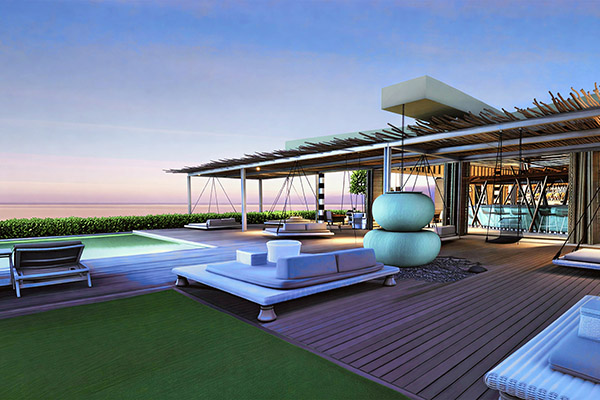
Como Beach Club
Como Beach Club Canggu offers a refined, wellness-led interpretation of the beachfront lifestyle in Bali. Located in Batu Bolong, it blends oceanfront dining, calming design, and understated luxury to create a peaceful alternative to Canggu’s louder beach venues. With infinity pool views, healthy cuisine, and a focus on balance, it appeals to travellers seeking relaxation, mindfulness, and comfort by the sea. Unlike party-driven destinations, Como Beach Club Canggu prioritises atmosphere and wellbeing, making it ideal for couples, long-stay visitors, and those embracing a slower version of the Canggu beach lifestyle.
Mari Beach Club
Mari Beach Club Canggu stands out as one of Berawa’s most design-led beachfront destinations, combining cultural storytelling, striking architecture, and curated dining experiences. Unlike high-energy beach clubs, Mari focuses on atmosphere, aesthetics, and intentional luxury, creating a more refined version of the Canggu beach club experience. Guests can enjoy oceanfront pools, sunset cocktails, and beautifully styled spaces that feel immersive yet relaxed. Popular among creatives, couples, and design-conscious travellers, Mari Beach Club Canggu delivers a balanced mix of social energy and visual sophistication along Bali’s coastline.

Old Man’s Beach Club
Old Man’s Beach Club Canggu is one of Batu Bolong’s most iconic and social beachfront hangouts, known for its laid-back surf culture, live music, and easygoing atmosphere. Unlike newer, more polished venues, Old Man’s keeps things casual and community-driven, attracting surfers, digital nomads, and long-stay travellers. Located directly on Batu Bolong Beach, it offers sunset drinks, beachfront gatherings, and a lively yet unpretentious vibe. Old Man’s Beach Club Canggu remains a staple of the original Canggu beach lifestyle, where connection and simplicity define the experience.
Canggu Villas Near Vue Beach Club

Villa Indrani
Villa Indrani is a stylish private villa near Vue Beach Club Canggu, designed for comfort and relaxed coastal living. With elegant interiors, open-plan spaces, and a tranquil atmosphere, it’s perfect for travellers wanting quick access to Berawa’s beach clubs, dining spots, and sunset experiences.

Villa Avalon
Villa Avalon offers a serene tropical retreat just minutes from Vue Beach Club Canggu, blending contemporary luxury with lush Balinese surroundings. Ideal for couples or groups, it provides spacious living, a private pool, and easy access to Berawa Beach, cafés, and Canggu’s relaxed beachfront lifestyle.

Villa Manggala
Villa Manggala combines tropical charm and modern comfort within close reach of Vue Beach Club Canggu. Featuring a private pool and spacious layout, it suits families or groups seeking privacy while staying near Berawa’s beachfront attractions, surf spots, cafés, and vibrant coastal energy.

Como Beach Club Canggu
A Complete Guide to Bali’s Most Refined Oceanfront Escape
Como Beach Club Canggu captures a calmer, more refined side of Bali’s beachfront lifestyle, where wellness, oceanfront elegance, and understated luxury come together effortlessly. Surrounded by panoramic sea views and soothing coastal energy, the experience feels intentionally designed for relaxation — from slow afternoons beside the infinity pool to beautifully curated dining and restorative wellness rituals. Within this tranquil setting, the spa experience becomes a natural extension of the journey, offering a chance to fully unwind and reconnect. It’s the kind of place that quietly encourages you to stay longer, explore deeper, and experience Canggu at its most balanced and restorative.
Oceanfront Calm Without the Crowds
Unlike louder beach clubs, Como Beach Club Canggu offers a more peaceful and refined atmosphere where ocean views, soft music, and open space create a truly restorative beachfront experience. It’s the perfect setting for travellers seeking elegance, balance, and uninterrupted sunset moments by the sea.
Wellness-Led Luxury by the Beach
From nourishing cuisine and beautifully designed spaces to calming spa experiences and mindful hospitality, Como Beach Club Canggu blends wellness naturally into every part of the day. The atmosphere encourages guests to slow down, recharge, and experience Bali in a more intentional and rejuvenating way.
Calm Energy, Perfectly Balanced
Como Beach Club Canggu transforms beachfront dining into a relaxed lifestyle experience, combining fresh seafood, curated cocktails, and panoramic ocean views within a stylish yet understated setting. Whether visiting for lunch or sunset dinner, every moment feels immersive, social, and effortlessly elegant.
Why Como Beach Club Canggu Feels More Refined
Como Beach Club Canggu offers a distinctly different interpretation of the modern beach club Canggu Bali experience — one shaped not by excess or spectacle, but by calmness, design, and understated sophistication. Set against the oceanfront backdrop of Batu Bolong, it reflects the broader philosophy of COMO: refined hospitality rooted in wellness, balance, and intentional living.
In a destination where many beach clubs compete through scale, music, and social intensity, COMO takes a quieter approach. The atmosphere feels composed from the moment you arrive. There is energy, but it is controlled; luxury, but never overstated. Instead of drawing attention through dramatic spectacle, Como Beach Club Canggu creates its appeal through detail — soft architectural lines, natural textures, open space, and an effortless connection to the ocean.
This sense of restraint is what makes the venue feel more refined than many of its counterparts. While larger beach clubs often prioritise entertainment and movement, COMO leans into comfort and atmosphere. The experience unfolds gradually rather than all at once, encouraging guests to settle into the rhythm of the space instead of simply passing through it.
The setting itself reinforces this identity. Positioned within COMO Uma Canggu, the beach club carries the same wellness-oriented sensibility that defines the resort. Ocean views, natural light, and carefully designed open-air spaces create an environment that feels restorative rather than overstimulating. Even at its busiest, the atmosphere maintains a sense of balance that is increasingly rare within the evolving Canggu landscape.
For many travellers, this refined energy is precisely the appeal. Couples looking for a more intimate beachfront experience, wellness-focused guests seeking calm surroundings, and long-stay visitors wanting a place they can return to comfortably often find themselves naturally drawn to COMO. It offers social interaction without pressure, sophistication without formality, and luxury without unnecessary excess.
Another defining aspect of Como Beach Club Canggu is how seamlessly it blends different parts of the day into one cohesive experience. Mornings feel bright and relaxed, afternoons slow and restorative, while sunset arrives with subtle atmosphere rather than overwhelming intensity. The transition between these moments feels organic, allowing guests to experience the venue as an extension of the surrounding coastline rather than a separate destination.
Ultimately, COMO represents a more mature evolution of the beach club Canggu Bali concept. It proves that beachfront experiences do not need to be loud to feel memorable. Through thoughtful design, wellness-driven hospitality, and a deeply calming atmosphere, Como Beach Club Canggu creates a space where elegance feels natural — and where the ocean remains the true centerpiece of the experience.
Where Is Como Beach Club Located? Batu Bolong & Echo Beach Connection
Como Beach Club Canggu is positioned along the coastline of Batu Bolong Beach Canggu, one of the most connected and lifestyle-driven areas within Bali’s rapidly evolving beach scene. Its location plays a defining role in shaping the experience, offering direct ocean access while placing guests within easy reach of some of Canggu’s most vibrant cafés, wellness spaces, and creative hubs.

Set within COMO Uma Canggu, the beach club benefits from a location that feels both central and surprisingly balanced. Batu Bolong has long been considered the social heart of Canggu — a place where surf culture, café culture, and beachfront living intersect naturally. The area is lively, highly walkable, and filled with a constant flow of activity, yet it still retains moments of openness that preserve its coastal character.
This positioning gives Como Beach Club Canggu a distinct advantage. Guests can experience the convenience and energy of central Canggu while retreating into a space that feels noticeably calmer and more refined than the surrounding streets. The transition from Batu Bolong’s movement to COMO’s oceanfront atmosphere feels immediate, creating a sense of separation without sacrificing accessibility.
When compared to nearby areas, the character of Batu Bolong becomes even clearer. Berawa, located slightly to the south, has evolved into a more polished and upscale district known for larger beach clubs, boutique fitness studios, and contemporary dining venues. It offers broader roads and a slightly more structured atmosphere, attracting travellers seeking convenience and modern lifestyle experiences.
Further north, Echo Beach presents an entirely different rhythm. Known for its darker volcanic sand, stronger surf culture, and quieter atmosphere, Echo Beach appeals to travellers who prefer a slower, more introspective side of Canggu. The area feels less commercial and more connected to the natural coastline, making it popular among surfers, creatives, and long-stay visitors.
Como Beach Club Canggu sits almost perfectly between these two identities. It captures the accessibility and lifestyle energy of Batu Bolong while maintaining some of the calm sophistication more commonly associated with Echo Beach. This balance is central to its appeal. Guests can explore cafés, wellness studios, and nearby beach clubs within minutes, yet still return to an environment that feels composed and restorative.
Accessibility is another major advantage of the location. Whether arriving from Seminyak, Pererenan, or other parts of southern Bali, Batu Bolong remains one of the easiest coastal areas to navigate. Its central positioning makes it convenient for both short-stay travellers and long-stay visitors who want to experience multiple sides of Canggu without constantly relocating.
Beyond practicality, the surrounding area also supports the broader lifestyle philosophy associated with COMO. Morning surf sessions, oceanfront walks, wellness classes, and healthy cafés all exist within close proximity, reinforcing the sense that Como Beach Club Canggu is not simply a destination, but part of a wider coastal rhythm.
Ultimately, the location of Como Beach Club Canggu along Batu Bolong Beach Canggu is one of its greatest strengths. It combines oceanfront serenity with immediate access to the best of Canggu’s lifestyle culture, creating a setting that feels connected, balanced, and naturally aligned with the refined atmosphere the venue is known for.
The Concept Behind Como Beach Club Canggu
The identity of Como Beach Club Canggu is shaped by a philosophy that extends far beyond beachfront dining or ocean views. At its core, the concept is rooted in the broader COMO approach to hospitality — one that prioritises wellness, calmness, thoughtful design, and highly personalised experiences. Rather than positioning itself as simply another beach venue, COMO creates an environment where lifestyle, wellness, and hospitality merge seamlessly into a single coastal experience.
This philosophy is immediately reflected in the atmosphere of the space. Unlike louder, entertainment-driven venues, Como Beach Club Canggu feels intentionally restrained. The design encourages openness and ease, allowing guests to settle naturally into the rhythm of the environment. Light, space, and flow are treated as essential elements rather than decorative features, creating a setting that feels restorative rather than overstimulating.
As a wellness beach club Bali concept, COMO approaches luxury through balance rather than excess. Wellness here is not isolated within spa treatments or fitness facilities alone — it is integrated into the entire experience. The oceanfront setting, slower pace, nourishing cuisine, attentive service, and calm energy all contribute to a sense of physical and mental ease. Guests are not pushed toward activity; instead, they are given space to experience the environment in their own way.
Design plays a central role in reinforcing this feeling. The architecture and interiors lean toward understated sophistication, avoiding unnecessary ornamentation in favour of clean lines, natural materials, and soft textures. Every detail feels measured and cohesive, supporting an atmosphere that is elegant without becoming formal. The result is a space that feels contemporary yet timeless, aligned closely with the relaxed coastal character of Canggu itself.
Another defining aspect of Como Beach Club Canggu is its approach to service culture. Hospitality here feels intuitive rather than performative. Staff interactions are calm, attentive, and unobtrusive, allowing guests to feel cared for without disrupting the relaxed atmosphere. This subtlety is important because it reinforces the overall tone of the experience: refined, effortless, and deeply comfortable.
The connection to COMO Uma Canggu further strengthens this identity. As part of a globally recognised hospitality brand known for wellness-focused luxury, the beach club benefits from a level of consistency and operational philosophy that goes beyond aesthetics alone. It is not simply designed to look refined — it is structured to feel balanced at every level, from spatial planning to guest experience.
Importantly, COMO’s concept also reflects a more mature evolution of Bali’s beachfront culture. In a landscape increasingly defined by spectacle and social performance, Como Beach Club Canggu offers something quieter and more enduring. It appeals to travellers who value atmosphere over intensity, quality over volume, and meaningful experiences over fast-paced consumption.
Ultimately, the strength of Como Beach Club Canggu lies in how naturally it integrates wellness, hospitality, and oceanfront living into one cohesive environment. It demonstrates that a wellness beach club Bali experience can still feel social, luxurious, and visually compelling — while remaining grounded in calmness, intention, and genuine comfort.
What Makes Como Beach Club Canggu Unique
What makes Como Beach Club Canggu unique is not a single dramatic feature, but the way every element works together to create a refined and deeply balanced beachfront experience. In a destination where many venues compete through volume, scale, and spectacle, COMO stands apart through restraint, atmosphere, and a strong sense of intentional living. It is a place where luxury feels effortless rather than performative, allowing the ocean and the environment to remain at the center of the experience.
One of the defining features is the club’s oceanfront infinity pool, which creates an uninterrupted visual connection between the water, the coastline, and the horizon beyond. Unlike pools designed primarily for social performance, COMO’s feels integrated into the natural setting. The layout encourages relaxation rather than crowding, with enough openness to maintain a sense of calm even during busier periods. This creates a more immersive experience where guests feel connected to the surrounding environment rather than separated from it.
The atmosphere throughout Como Beach Club Canggu can best be described as relaxed sophistication. There is a clear sense of quality in every detail — from the service and design to the pacing of the experience itself — yet nothing feels forced or overly formal. Guests can move seamlessly between lounging, dining, conversation, and quiet moments without ever feeling pressured to participate in a particular scene. This flexibility is part of what makes COMO so appealing to travellers seeking a more mature and balanced version of the Canggu lifestyle.
Another aspect that distinguishes COMO is its wellness-oriented atmosphere. As a beachfront extension of COMO Uma Canggu, the club naturally carries forward the resort’s broader philosophy of wellness and mindful hospitality. This is reflected not only in the cuisine and surroundings, but in the overall energy of the space. Music remains measured, service stays unobtrusive, and the environment encourages guests to slow down rather than constantly seek stimulation.
This approach also shapes the social dynamic. Como Beach Club Canggu is undeniably social, but it is never loud in the way many beach clubs can become. Conversations remain possible, movement feels natural, and even at sunset the atmosphere retains a sense of calm. This makes it especially attractive for couples, wellness travellers, long-stay visitors, and guests who want to experience a sunset beach club Canggu without the intensity of larger entertainment-focused venues.
Architecture and natural light further reinforce this identity. The design embraces openness, soft lines, and natural materials, allowing daylight to shape the mood throughout the day. In the afternoon, sunlight reflects softly across the pool and ocean-facing spaces, creating a bright yet soothing atmosphere. As sunset approaches, the lighting shifts naturally, adding warmth and depth without needing dramatic transitions or excessive visual effects.
This interaction between design and light gives COMO a subtle but highly photogenic quality. The venue does not rely on exaggerated features for visual appeal; instead, it creates beauty through proportion, texture, and the relationship between indoor and outdoor space. Every angle feels composed without appearing staged, which contributes to the sense that the experience is genuine rather than curated solely for social media visibility.
Ultimately, the uniqueness of Como Beach Club Canggu lies in its ability to create an atmosphere that feels elevated without becoming inaccessible. It combines wellness, architecture, oceanfront living, and understated social energy into one cohesive experience. As a sunset beach club Canggu, it proves that refinement can be just as memorable as spectacle — and often far more enduring.
Daytime at Como Beach Club: Wellness, Leisure & Ocean Views

Daytime at Como Beach Club Canggu unfolds with a calmness that immediately distinguishes it from the more energetic side of the beach club Canggu Bali scene. Rather than building around loud music, packed daybeds, or constant social activity, COMO creates an atmosphere centered on ease, openness, and quiet sophistication. The experience feels less like an event and more like a natural extension of oceanfront living.
Mornings begin slowly here. Sunlight moves gently across the infinity pool, the sound of the waves remains present in the background, and the overall atmosphere encourages guests to settle into the day without urgency. The design of the space plays a major role in shaping this mood. Open-air layouts, natural textures, and carefully positioned seating areas allow the ocean to remain visible from nearly every angle, reinforcing a continuous connection to the coastline.
For couples, this creates an environment that feels intimate without becoming isolated. Guests can spend hours moving between poolside lounging, relaxed meals, and oceanfront views without needing to leave the space. The rhythm is fluid and unstructured, making the experience feel restorative rather than scheduled.
Wellness travellers are particularly drawn to this side of Como Beach Club Canggu because the atmosphere aligns naturally with a more balanced way of travelling. The club’s connection to COMO Uma Canggu reinforces this wellness-oriented identity, where calmness is integrated into every part of the guest experience. Healthy dining options, attentive yet understated service, and the absence of overwhelming noise all contribute to a setting that supports relaxation without explicitly demanding it.
This is also why COMO appeals strongly to long-stay visitors and digital nomads seeking a more sustainable daily rhythm. Unlike beach clubs designed primarily for short bursts of entertainment, COMO feels comfortable to revisit repeatedly. Guests can spend a few hours reading by the pool, meet friends for a relaxed lunch, or simply enjoy the atmosphere without feeling pressured to engage with a larger social scene.
The pace during the day remains intentionally measured. Music is present, but carefully controlled to complement rather than dominate the environment. Conversations flow naturally, movement around the venue feels spacious, and there is a noticeable absence of the frantic energy often associated with more commercial beach clubs.
This slower tempo allows the natural setting to take precedence. The ocean becomes part of the experience rather than just a backdrop, while shifting daylight gradually changes the mood of the space throughout the afternoon. By the time the sun begins to lower toward the horizon, the transition feels organic rather than dramatic.
In many ways, daytime at Como Beach Club Canggu represents a more mature evolution of the modern beach club Canggu Bali concept. It offers the luxury of space, calmness, and flexibility — qualities that increasingly resonate with travellers looking for meaningful experiences rather than nonstop stimulation. Here, leisure is not about excess, but about having the freedom to slow down and fully absorb the atmosphere around you.
Sunset at Como: Calm Energy by the Ocean

As afternoon slowly gives way to evening, Como Beach Club Canggu enters its most atmospheric phase. Sunset here is not built around spectacle or crowd energy, but around mood, pacing, and the quiet beauty of the coastline itself. In a destination known for dramatic beachfront scenes, COMO offers a more refined interpretation of the sunset beach club Canggu experience — one that feels calm, immersive, and deeply connected to the ocean.
The transition begins subtly. Natural light softens across the infinity pool, warm reflections spread across the open-air spaces, and the entire venue seems to slow even further. The architecture becomes more expressive during this time of day, with shifting shadows and golden tones bringing depth to the textures and natural materials throughout the space. Rather than relying on dramatic lighting or staged moments, COMO allows the environment itself to shape the atmosphere.
Its beachfront position along Batu Bolong Beach Canggu plays a major role in this experience. The horizon remains open and uninterrupted, creating a direct visual connection between guests and the ocean as the sun lowers toward the water. Seating areas are designed to maximise these views, ensuring that sunset feels integrated into the space rather than observed from a distance.
What makes sunset at Como Beach Club Canggu particularly distinctive is the sense of balance it maintains. The energy gradually becomes more social, but never chaotic. Conversations continue comfortably, movement through the venue remains relaxed, and the soundtrack evolves gently without overpowering the natural ambiance. This controlled atmosphere allows guests to remain fully present in the experience rather than feeling pulled into a louder, faster environment.
For couples, the setting feels especially intimate during golden hour. The combination of soft lighting, ocean air, and spacious design creates an atmosphere that encourages lingering rather than rushing. Long-stay travellers and wellness-oriented guests are equally drawn to this quieter energy, where sunset becomes a moment of transition and reflection rather than simply the beginning of nightlife.
As a sunset beach club Canggu, COMO also stands apart because it does not attempt to dominate the coastline visually or sonically. Instead, it complements the natural setting. The ocean remains the focal point, while the venue itself acts as a refined frame around the experience. This restraint gives sunset here a more timeless quality, allowing the environment to feel elegant without becoming overly curated.
The transition into evening happens seamlessly. As daylight fades, subtle lighting begins to shape the mood without dramatically changing the atmosphere established throughout the day. The venue retains its sense of openness and calm, making the move from afternoon leisure to evening dining feel completely natural.
Ultimately, sunset at Como Beach Club Canggu is defined by its understated sophistication. It captures the beauty of Bali’s coastline without needing excess energy or spectacle to make an impression. For travellers seeking a more balanced and atmospheric sunset beach club Canggu experience, COMO offers something increasingly rare — a golden hour that feels peaceful, refined, and genuinely connected to the rhythm of the ocean.
Dining & Drinks at Como Beach Club

Dining at Como Beach Club Canggu reflects the same philosophy that defines the venue as a whole — balanced, refined, and deeply connected to wellbeing. Rather than treating food and drinks as secondary additions to the beachfront setting, COMO integrates dining into the broader lifestyle experience, creating an atmosphere where nourishment, leisure, and oceanfront living naturally come together.
Within the landscape of beachfront dining Canggu, COMO stands apart through its emphasis on freshness, simplicity, and quality. The menu avoids unnecessary complexity, focusing instead on ingredients that feel vibrant, seasonal, and thoughtfully prepared. This approach aligns closely with the wellness-oriented identity associated with COMO Uma Canggu, where dining is designed to feel satisfying without becoming heavy or excessive.
One of the defining characteristics of the menu is its balance between indulgence and nourishment. Guests can enjoy fresh seafood, grilled dishes, vibrant salads, and lighter plates that support a more relaxed coastal rhythm. The cuisine feels contemporary and international while still remaining approachable, allowing meals to fit naturally into long afternoons by the ocean or slower sunset gatherings.
This connection to healthy dining Canggu is especially appealing for wellness travellers and long-stay visitors who want dining experiences that complement a balanced lifestyle. Instead of relying solely on rich comfort food or oversized portions, COMO offers dishes that feel energising and carefully considered. Nutrient-focused ingredients, fresh produce, and lighter preparation styles help create a dining experience that supports the calm and restorative atmosphere of the venue itself.
Seafood naturally plays an important role given the oceanfront setting. Grilled fish, fresh catches, and coastal-inspired flavours reinforce the connection between the menu and the surrounding environment. These dishes are presented with the same understated sophistication that defines the rest of the venue — elegant without becoming overly formal or overly stylised.
The beverage experience follows a similarly refined approach. Cocktails at Como Beach Club Canggu are crafted to complement the pace of the environment rather than dominate it. Refreshing tropical flavours, lighter profiles, and balanced presentation make drinks feel integrated into the overall atmosphere. Wine selections and healthier beverage options further support the club’s wellness-oriented identity, giving guests flexibility depending on the mood and time of day.

What makes dining here particularly distinctive is how seamlessly it blends into the larger social experience. Meals unfold slowly, often stretching across several hours as guests move between conversation, ocean views, and relaxed lounging. The open-air layout and proximity to the pool and coastline create a fluid transition between dining and leisure, making it easy to remain immersed in the atmosphere without interruption.
As the day progresses toward sunset, the mood evolves naturally. Afternoon lunches gradually give way to more atmospheric evening dining, with softer lighting and ocean reflections shaping the experience. Yet even during busier periods, the venue maintains its signature sense of calm. Conversations remain comfortable, service stays attentive but unobtrusive, and the environment never loses its feeling of openness.
Ultimately, dining at Como Beach Club Canggu is not designed around spectacle or trend-driven excess. Instead, it reflects a more thoughtful interpretation of beachfront dining Canggu — one where food, wellness, atmosphere, and social connection exist in balance. For travellers seeking a more refined and nourishing coastal experience, COMO offers a setting where dining becomes part of the rhythm of the day itself, rather than simply another activity within it.
Staying Near COMO: Where to Stay in Batu Bolong
For travellers drawn to the calm sophistication of Como Beach Club Canggu, choosing the right area to stay becomes an important part of the overall experience. The atmosphere that defines COMO — wellness-oriented, refined, and ocean-connected — is best appreciated when your accommodation supports the same rhythm. This is why many visitors begin searching for Canggu villas near Como Beach Club, looking for a base that allows them to move seamlessly between beach, dining, wellness, and relaxation.

Among the different neighbourhoods in Canggu, Batu Bolong remains one of the most strategic and balanced areas to stay. Positioned between the livelier sections of Berawa and the slower pace of Echo Beach, Batu Bolong combines accessibility, lifestyle convenience, and direct connection to the coastline. For travellers wondering where to stay near Como Beach Club, this location offers a rare mix of energy and calmness without leaning too heavily toward either extreme.
Staying in Canggu villas near Como Beach Club allows guests to experience the area more fluidly. Rather than planning a single visit to COMO, the beach club can become part of a larger daily rhythm. Morning walks along the beach, midday lunches overlooking the ocean, relaxed sunset sessions, and nearby wellness experiences all become easier when your villa is located within close reach of Batu Bolong Beach.
This proximity is particularly valuable in Canggu, where traffic and movement between areas can quickly affect the pace of a holiday. Choosing accommodation nearby reduces unnecessary travel time and creates a more connected experience overall. Guests can move naturally between cafés, beach clubs, surf spots, and private villa living without constantly needing to organise transport or long transfers.
Another reason Batu Bolong remains highly desirable is the diversity of experiences available within a compact area. The neighbourhood combines surf culture, wellness spaces, boutique shopping, healthy cafés, and beachfront venues in a way that feels organic rather than overly commercial. This makes it especially appealing for couples, digital nomads, long-stay travellers, and wellness-oriented visitors who value flexibility and lifestyle integration.
The range of luxury villas in Canggu around Batu Bolong also contributes to the area’s popularity. Travellers can choose from modern minimalist villas, tropical open-air residences, or larger private estates depending on their travel style and group size. Many villas are designed around indoor-outdoor living, featuring private pools, open lounge spaces, and lush gardens that complement the slower coastal atmosphere associated with COMO.
Importantly, staying near Batu Bolong does not necessarily mean being directly on the busiest beachfront roads. Some of the most appealing villas are positioned slightly inland, where the environment becomes noticeably quieter while still remaining only minutes from the beach. This allows guests to enjoy both accessibility and privacy — a balance that aligns closely with the philosophy behind Como Beach Club Canggu itself.
The connection between stay and experience becomes even more apparent over longer visits. A villa near COMO offers more than convenience; it allows guests to settle into the broader rhythm of the area. Days feel less scheduled and more intuitive, with the freedom to return to familiar places, revisit favourite cafés, or experience the beach at different times without pressure.
Ultimately, choosing from the many Canggu villas near Como Beach Club is about creating continuity between where you stay and how you experience Canggu. Batu Bolong provides the ideal foundation for this lifestyle — connected yet relaxed, social yet balanced. For travellers seeking a more refined coastal experience, staying nearby transforms COMO from a single destination into part of a much larger and more immersive way of living.
Why Canggu Beach Villas Complement the COMO Lifestyle
Choosing Canggu beach villas as your base creates a natural extension of the calm, wellness-oriented atmosphere that defines Como Beach Club Canggu. While the beach club offers refined oceanfront experiences throughout the day, villa living provides the privacy, flexibility, and slower rhythm that allow those experiences to continue beyond the beachfront itself. Together, they create a more complete way of experiencing Canggu — one shaped by balance rather than constant movement.

One of the biggest advantages of staying in Canggu beach villas is the ability to control the pace of your day. Unlike hotels with fixed schedules or shared public environments, villas allow travellers to move entirely on their own rhythm. Mornings can begin slowly beside a private pool, afternoons can flow naturally between the beach and nearby cafés, and evenings can end in complete quiet after sunset at COMO. This freedom aligns closely with the wellness-focused lifestyle many visitors seek when staying in Canggu.
Privacy also plays a major role. Although Como Beach Club Canggu maintains a calm and refined atmosphere, it is still a social beachfront environment. Returning to a private villa after spending time at the beach club creates a valuable contrast — one that allows guests to recharge without disconnecting from the coastal lifestyle altogether. This balance between social connection and personal space is one of the reasons Canggu villas near beach clubs continue to attract long-stay travellers, couples, and wellness-oriented visitors.
The design of many beachfront villas Canggu further reinforces this connection. Open-air living rooms, natural materials, tropical gardens, and indoor-outdoor layouts reflect the same architectural principles that make COMO feel so calming and cohesive. Rather than experiencing a sharp contrast between accommodation and destination, travellers often find that villa living complements the broader atmosphere of the area seamlessly.
This sense of continuity is particularly important for travellers prioritising wellness and slower living. A villa offers space for routines and rituals that are difficult to replicate in more conventional accommodation settings. Morning yoga sessions, healthy breakfasts prepared privately, quiet afternoons beside the pool, or simply uninterrupted rest become part of everyday life. These experiences support the same mindful and restorative energy that defines COMO’s approach to hospitality.
Location is another reason Canggu beach villas work so well alongside the COMO lifestyle. Staying near Batu Bolong or Echo Beach allows guests to remain close to wellness studios, healthy cafés, surf breaks, and oceanfront venues without sacrificing tranquility. Many villas are positioned just a few minutes away from the beach, offering convenient access while still maintaining a peaceful atmosphere away from the busiest streets.
For longer stays, this flexibility becomes even more valuable. Guests are not limited to a single type of experience each day. A morning spent working remotely from a quiet villa can transition into lunch at COMO, followed by sunset walks along the beach and relaxed evenings back at the property. This ability to combine productivity, leisure, wellness, and social experiences within one connected area is what makes Canggu particularly attractive to modern travellers.
Importantly, Canggu villas near beach clubs are not only about convenience — they are about creating a more immersive relationship with the destination itself. Staying near the coast allows travellers to experience the subtle rhythms of Canggu more naturally, from changing light and ocean conditions to the evolving atmosphere throughout the day.
Ultimately, Canggu beach villas complement the COMO lifestyle because they support the same core values: calmness, flexibility, privacy, and intentional living. Together, they create an experience that feels less like a typical holiday and more like temporarily stepping into a slower, more balanced way of life by the ocean.
Who Como Beach Club Canggu Is Best For
Como Beach Club Canggu appeals to travellers who value atmosphere, balance, and thoughtful experiences over constant stimulation. While many beachfront venues in Bali are designed around energy and entertainment, COMO attracts guests seeking something calmer, more refined, and more connected to wellness-oriented coastal living. Its atmosphere naturally aligns with a specific style of traveller — one that prioritises comfort, design, and a slower pace without sacrificing sophistication.
For couples, COMO offers one of the most comfortable and intimate beachfront environments in Canggu. The spacious layout, ocean views, and relaxed social atmosphere create a setting where time feels unhurried. Whether spending the afternoon by the infinity pool, enjoying a long lunch overlooking the beach, or staying through sunset, couples are able to experience the venue without the overwhelming intensity often associated with larger beach clubs.
Wellness travellers are also naturally drawn to Como Beach Club Canggu because the entire experience reflects a sense of balance. The atmosphere encourages guests to slow down, while the connection to COMO Uma Canggu reinforces a broader philosophy rooted in wellbeing. Healthy dining, calm surroundings, oceanfront openness, and understated service all contribute to an environment that feels restorative rather than exhausting.
For luxury travellers, COMO offers a more understated interpretation of beachfront luxury. Instead of dramatic spectacle or highly performative exclusivity, the focus is placed on quality, detail, and comfort. The design feels elegant without becoming formal, while the service remains attentive without feeling intrusive. This quieter approach to luxury appeals particularly to travellers who appreciate refinement delivered through atmosphere rather than excess.
Long-stay guests often find COMO especially appealing because it feels sustainable to revisit repeatedly. Unlike venues designed primarily for one-time experiences or high-energy social events, COMO integrates naturally into everyday coastal living. Guests staying in nearby villas or extended-stay accommodations can comfortably incorporate the beach club into their daily routines, whether for morning coffee, afternoon relaxation, or sunset dining.
The venue also suits digital nomads seeking balance within the broader Canggu lifestyle. While Canggu is known for its creative energy and café culture, many remote workers eventually look for spaces that feel calmer and more restorative. COMO provides that contrast. Its relaxed pace, open-air environment, and wellness-oriented atmosphere create an ideal setting for travellers who want access to social experiences without constantly being surrounded by noise or overstimulation.
Importantly, Como Beach Club Canggu is not designed for travellers seeking nonstop entertainment or large-scale nightlife energy. Instead, it attracts guests who value emotional atmosphere, thoughtful design, and experiences that feel naturally integrated into the rhythm of the coastline.
Ultimately, COMO is best suited to travellers who see luxury not as excess, but as ease — the ability to move slowly, feel comfortable, and remain connected to the ocean without distraction. For those seeking a more refined version of the Canggu beach lifestyle, Como Beach Club Canggu offers exactly that balance.
Best Time to Visit Como Beach Club Canggu
The best time to experience Como Beach Club Canggu depends largely on the kind of atmosphere you are looking for. Unlike high-energy beach clubs that revolve around peak-hour crowds and nightlife intensity, COMO changes gradually throughout the day, offering different moods that appeal to different travel styles. This flexibility is part of what makes the venue so attractive for couples, wellness travellers, and guests seeking a more balanced version of beachfront living.
For those who appreciate calmness and space, mornings and early afternoons are often the most rewarding times to visit. During these hours, the atmosphere feels especially peaceful. Natural light fills the open-air spaces, the infinity pool remains quiet, and the oceanfront setting feels almost meditative. Guests staying nearby frequently visit during this time for relaxed breakfasts, coffee overlooking the beach, or slower afternoons by the pool.
Midday is ideal for travellers who want to experience the wellness-oriented side of Como Beach Club Canggu. The softer daytime energy allows guests to fully appreciate the design, service, and connection to the coastline without the larger social crowds that typically arrive later in the day. This timing is particularly appealing for long-stay visitors, remote workers, and wellness-focused travellers who prefer calm social environments over louder daytime scenes.
As the afternoon progresses, the atmosphere gradually becomes more social while still maintaining COMO’s signature sense of restraint. Around late afternoon, the venue transitions naturally into one of the more refined sunset settings in Canggu. Golden light reflects across the infinity pool and ocean-facing spaces, creating a warm and immersive environment that feels elegant rather than overstimulating.
For many visitors, sunset is the ideal time to experience Como Beach Club Canggu. Unlike larger venues where sunset can become crowded and high-energy, COMO maintains a calmer rhythm even during peak hours. This makes it particularly suitable for couples, relaxed group gatherings, and travellers who want a more atmospheric beachfront experience without the intensity often associated with Bali’s larger beach clubs.
Seasonally, the dry season between roughly April and October generally offers the most reliable weather conditions. During these months, sunsets tend to be clearer, ocean views remain more consistent, and the overall beachfront atmosphere feels especially vibrant. The drier climate also makes poolside lounging and outdoor dining significantly more comfortable.
However, the quieter rainy season can also be appealing for travellers who prioritise atmosphere over activity. Tropical rain showers often pass quickly, while the softer light and calmer pace create a more intimate feeling throughout the venue. Because Como Beach Club Canggu is designed around openness and comfort, the space still feels inviting even during changing weather conditions.
Weekdays are usually the best option for guests seeking a slower and more relaxed environment. The venue feels calmer, service becomes even more personal, and the overall pace aligns closely with COMO’s wellness-driven identity. Weekends bring slightly more energy and social activity, though the atmosphere still remains noticeably more balanced than many surrounding beach clubs.
Ultimately, the best time to visit Como Beach Club Canggu depends on whether you are seeking stillness, social atmosphere, or sunset ambiance. The venue’s greatest strength is its ability to adapt naturally throughout the day while maintaining the same refined and calming identity from morning through evening.
Como Beach Club as Canggu’s Wellness-Led Escape
In a destination increasingly defined by movement, stimulation, and constantly evolving social scenes, Como Beach Club Canggu offers something noticeably different — a beachfront experience built around calmness, balance, and intentional living. Rather than competing through scale or spectacle, COMO creates its identity through atmosphere, design, and a deeply considered approach to hospitality. It is this quiet confidence that ultimately makes the experience feel so memorable.
Throughout the day, the venue maintains a sense of openness and ease that reflects a more mature side of the modern Canggu beach lifestyle. Mornings feel restorative, afternoons unfold slowly beside the ocean, and sunset arrives with understated elegance rather than overwhelming intensity. Every transition feels natural, allowing guests to settle into the rhythm of the coastline instead of constantly being pulled toward activity.
This balance is what separates Como Beach Club Canggu from many of the louder beachfront destinations surrounding it. While larger venues often focus on entertainment and social energy, COMO prioritises comfort, wellbeing, and emotional atmosphere. The result is a space that feels sustainable to revisit — not just once during a holiday, but repeatedly as part of everyday coastal living.
The connection to COMO Uma Canggu further reinforces this identity. Wellness is not presented here as a separate activity or trend, but as an integrated part of the experience itself. From architecture and dining to pacing and service, every element supports a calmer and more balanced way of spending time by the ocean.
For many travellers, this naturally shifts the experience beyond a simple beach club visit. Spending time at COMO often changes how visitors engage with Canggu altogether. The surrounding area begins to feel less like a fast-moving destination and more like a place to settle into — somewhere where mornings, wellness routines, cafés, beach walks, and slower evenings all connect naturally.
This is why accommodation becomes such an important extension of the experience. Staying in nearby villas or longer-term residences allows guests to remain connected to the same atmosphere beyond a single afternoon or sunset. The combination of oceanfront venues, wellness-oriented spaces, and private villa living creates a more immersive interpretation of the Canggu beach lifestyle, one that feels sustainable rather than performative.
Importantly, COMO also demonstrates that luxury in Bali does not need to be excessive to feel impactful. Its appeal comes from restraint — from giving guests space to breathe, slow down, and fully experience the environment around them. In many ways, this reflects a broader evolution within Canggu itself, where travellers are increasingly seeking depth, comfort, and meaningful atmosphere over nonstop stimulation.
Ultimately, Como Beach Club Canggu succeeds because it understands that the ocean is already enough. Everything else — the design, dining, service, and social atmosphere — exists simply to support that connection. For travellers looking to experience Bali through a calmer and more refined lens, COMO offers one of the most balanced and quietly luxurious escapes anywhere along the Canggu coastline.
Other Beach Clubs in Canggu
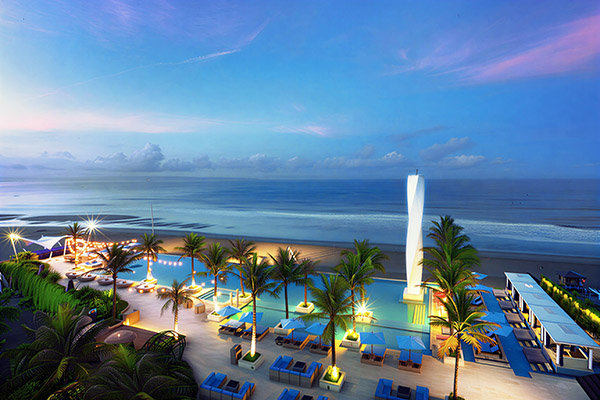
Vue Beach Club
Vue Beach Club brings together beachfront relaxation, tropical design, and vibrant social energy within the heart of Berawa Beach Canggu. Known for its oceanfront pool, laid-back atmosphere, and easy access to the coastline, it offers a classic beach club Canggu Bali experience with a more relaxed and approachable character. Guests can spend the day enjoying cocktails by the pool, sunset sessions overlooking the ocean, and casual beachfront dining surrounded by Bali’s evolving coastal lifestyle. Its location also makes it a convenient destination for travellers staying in nearby Canggu beach villas.
Mari Beach Club
Mari Beach Club Canggu offers a more design-led and culturally inspired interpretation of the modern beach club Canggu Bali experience. Located in Berawa, it combines striking architecture, natural textures, curated dining, and refined sunset energy within a calm oceanfront setting. Unlike louder venues, Mari focuses on atmosphere and intentional living, making it especially appealing for couples, creatives, and travellers seeking a slower, more elegant side of the Canggu beach lifestyle. From daytime relaxation to beautifully layered sunsets, every detail feels immersive, balanced, and distinctly connected to Bali’s coastal character.
Old Man’s Beach Club
Old Man’s Beach Club remains one of the most iconic social destinations in Batu Bolong Beach Canggu, known for its surf culture roots, casual atmosphere, and energetic beachfront setting. More relaxed and unfiltered than many modern beach clubs, it captures the original spirit of Canggu through live music, sunset gatherings, and easygoing beachside social life. Popular among surfers, digital nomads, and long-stay travellers, Old Man’s continues to represent a more authentic and community-driven side of the Canggu beach lifestyle just steps from the ocean.
Canggu Villas Near Como Beach Club

Villa Nonnavana
Villa Nonnavana combines contemporary tropical design with a calm and elegant atmosphere near Como Beach Club Canggu. Featuring spacious interiors and a private pool, it creates a relaxing base for guests looking to enjoy wellness-oriented dining, oceanfront sunsets, and the balanced rhythm of Canggu living.

Villa Nedine
Villa Nedine offers a peaceful tropical stay just a short drive from Como Beach Club Canggu, blending modern comfort with relaxed coastal living. Ideal for couples or small groups, the villa provides easy access to Batu Bolong’s cafés, wellness spaces, beachfront dining, and refined Canggu beach lifestyle.

Villa Istana Putih
Villa Istana Putih delivers luxurious villa living within convenient reach of Como Beach Club Canggu. With expansive indoor-outdoor spaces, sophisticated design, and resort-style comfort, it offers an ideal retreat for travellers seeking privacy, wellness-inspired relaxation, and effortless access to Batu Bolong’s beachfront atmosphere.